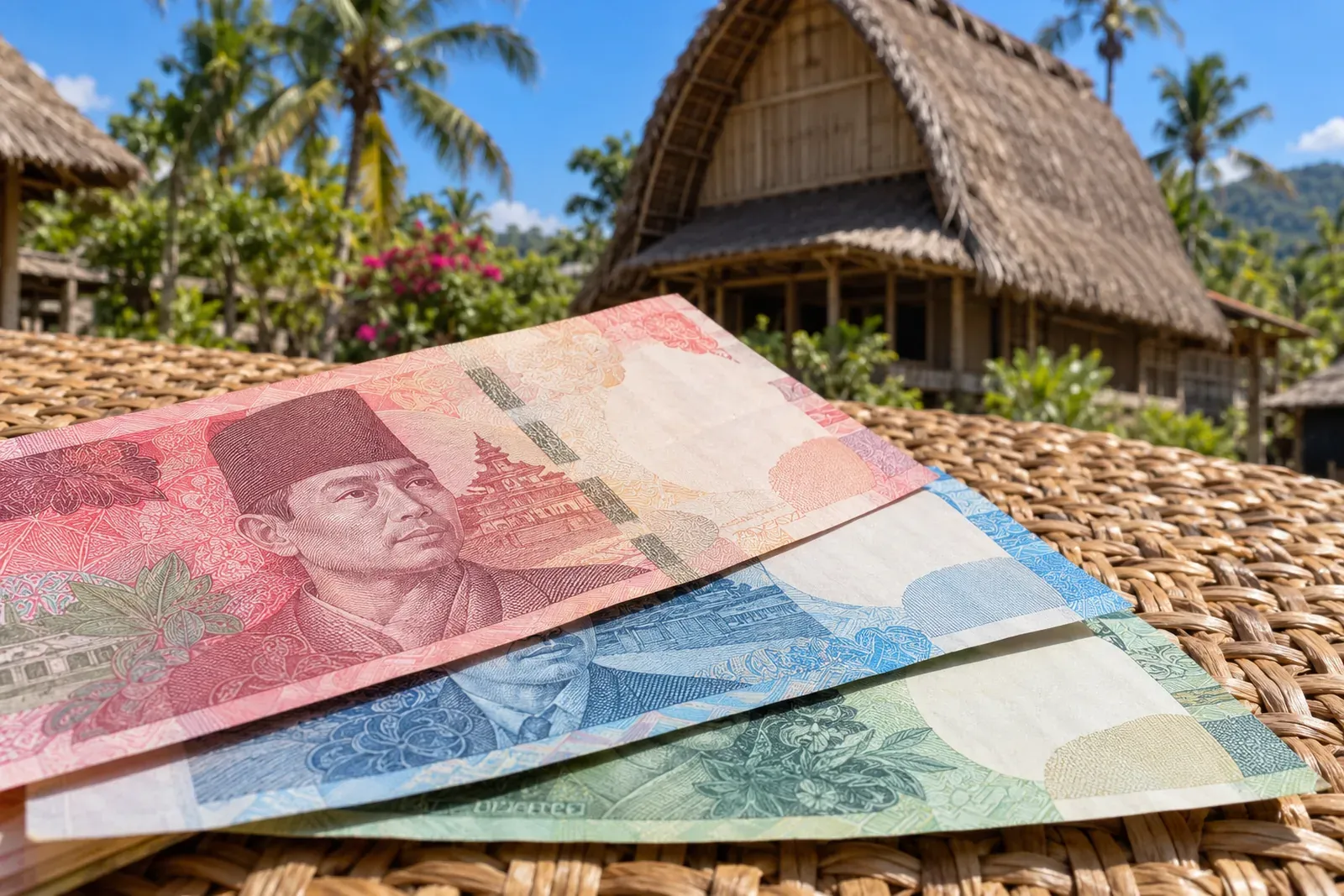
State-Owned CSR in East Lombok: Pegadaian Backs Islamic Boarding Education
PT Pegadaian Masbagik allocates Rp 20 million in community CSR funding to Ash-Shamadi NWDI Islamic boarding school, highlighting institutional social engagement in East Lombok.
State-backed financial institutions in Indonesia continue to deepen their grassroots footprint across West Nusa Tenggara through targeted community development outlays. In East Lombok, state-owned pawnbroking and financial services group PT Pegadaian has channelled corporate social responsibility funding to an established Islamic boarding school in Masbagik, illustrating how public sector entities maintain community ties across the island.
The Masbagik branch of PT Pegadaian distributed Rp 20 million under its corporate community program, Pegadaian Peduli, directly to the Ash-Shamadi NWDI Islamic boarding school foundation in Masbagik. The transfer was completed during an official handover between the branch leadership of PT Pegadaian and the head of the boarding school foundation, underscoring ongoing support for local social and religious infrastructure.
Institutional Capital and Grassroots Community Development
While foreign direct investment and private property development tend to concentrate in South Lombok, domestic state-owned enterprises (BUMN) maintain widespread operational networks spanning central and eastern districts. PT Pegadaian operates as a subsidiary of state banking giant Bank Rakyat Indonesia (BRI), serving as a primary provider of micro-finance, collateralised lending, and gold savings products across rural Indonesian regencies.
Corporate social responsibility in Indonesia is governed by statutory frameworks requiring state enterprises and corporate entities to reinvest capital into local environmental and social initiatives. Under the Pegadaian Peduli initiative, targeted grant funding frequently supports regional educational facilities, places of worship, and community health programmes. For local institutions such as the Ash-Shamadi boarding school, affiliated with the prominent Nahdlatul Wathan Diniyah Islamiyah (NWDI) socio-religious network in Lombok, these disbursements provide vital liquidity for immediate facility repairs, classroom equipment, and student welfare provisions.
The Geographic Distribution of Capital Across Lombok
Lombok presents distinct sub-regional economic profiles that international observers often overlook. South Lombok, anchored by tourist hubs such as Kuta, Selong Belanak, and the Mandalika special economic zone, captures the vast majority of hospitality capital, commercial leisure assets, and international arrivals. By contrast, the regency of East Lombok (Lombok Timur) remains heavily agricultural, domestic, and demographic.
Disbursements such as the Rp 20 million grant in Masbagik highlight the contrast in capital scale and focus between private international projects and domestic institutional presence:
- Eastern regency priorities: Institutional focus in East Lombok centres on community foundations, vocational education, and agricultural logistics rather than leisure infrastructure.
- Social fabric stability: The NWDI organization forms the primary civic and educational pillar throughout East Lombok, making partnerships with state entities central to regional cohesion.
- State presence: Micro-lending offices, post outlets, and municipal bank branches ensure cash liquidity reaches trade junctions such as Masbagik, well outside the resort corridors.
For regional analysts, monitoring domestic public spending and state enterprise activities outside the tourism belt offers a broader perspective on provincial stability. Long-term regional prosperity requires sustainable social development alongside rapid real estate growth in the south.
Community Integration as a Factor in Regional Stability
In emerging island economies, inclusive development remains essential to preserving social cohesion. Rapid capital inflows into coastal hospitality corridors can create economic friction if interior and rural populations feel isolated from the broader development agenda. Programmes managed by state groups like PT Pegadaian act as social equalisers, directing capital into local educational institutions that serve rural families.
Islamic boarding schools (pesantren) play a pivotal role in regional human capital formation throughout Indonesia. Beyond providing formal academic and religious curricula, these institutions function as social safety nets, boarding hubs, and community centres. When state institutions support their physical infrastructure, they indirectly reinforce the human capital base that regional commerce ultimately relies upon.
What This Means for Investors
For international capital assessing Lombok, local civic relationships and institutional engagement provide crucial operational context:
- Recognising local institutions: Private investors and international operators must understand that island-wide stability relies heavily on respected domestic organisations like NWDI and village-level community structures.
- Corporate social responsibility expectations: While small in nominal terms, publicised CSR disbursements set an important precedent for corporate presence. Developers and long-term business operators in Lombok are increasingly expected to design authentic, local benefit-sharing mechanisms for surrounding villages.
- Provincial balance: Robust social infrastructure in northern and eastern regencies supports overall provincial stability, ensuring that tourism growth in the south operates within a peaceful, integrated regional environment.
Understanding how state enterprises engage local civic foundations provides valuable guidance for any foreign investor planning a sustainable, multi-year operating footprint in West Nusa Tenggara.
Stay informed: subscribe to our free Lombok Briefing, published twice a month (the 1st and 15th), for analysis like this.
What is the Pegadaian Peduli program in East Lombok?
Pegadaian Peduli is the corporate social responsibility initiative of state-owned financial firm PT Pegadaian. In East Lombok, its Masbagik branch allocated a Rp 20 million grant to the Ash-Shamadi NWDI Islamic boarding school foundation to assist with institutional and student community needs.
Why is corporate social responsibility significant in Lombok?
Corporate social responsibility programs help maintain social cohesion and regional balance across Lombok. While foreign capital predominantly targets southern coastal tourism corridors, domestic institutional programs provide educational and community funding to rural populations in eastern districts, reinforcing long-term provincial stability.

The Lombok Buyer's Field Guide
Legal structures ranked by risk, the honest ROI math line by line, all six zones ranked, and the 24-point due-diligence checklist. The whole book, free in your inbox.
See what's inside