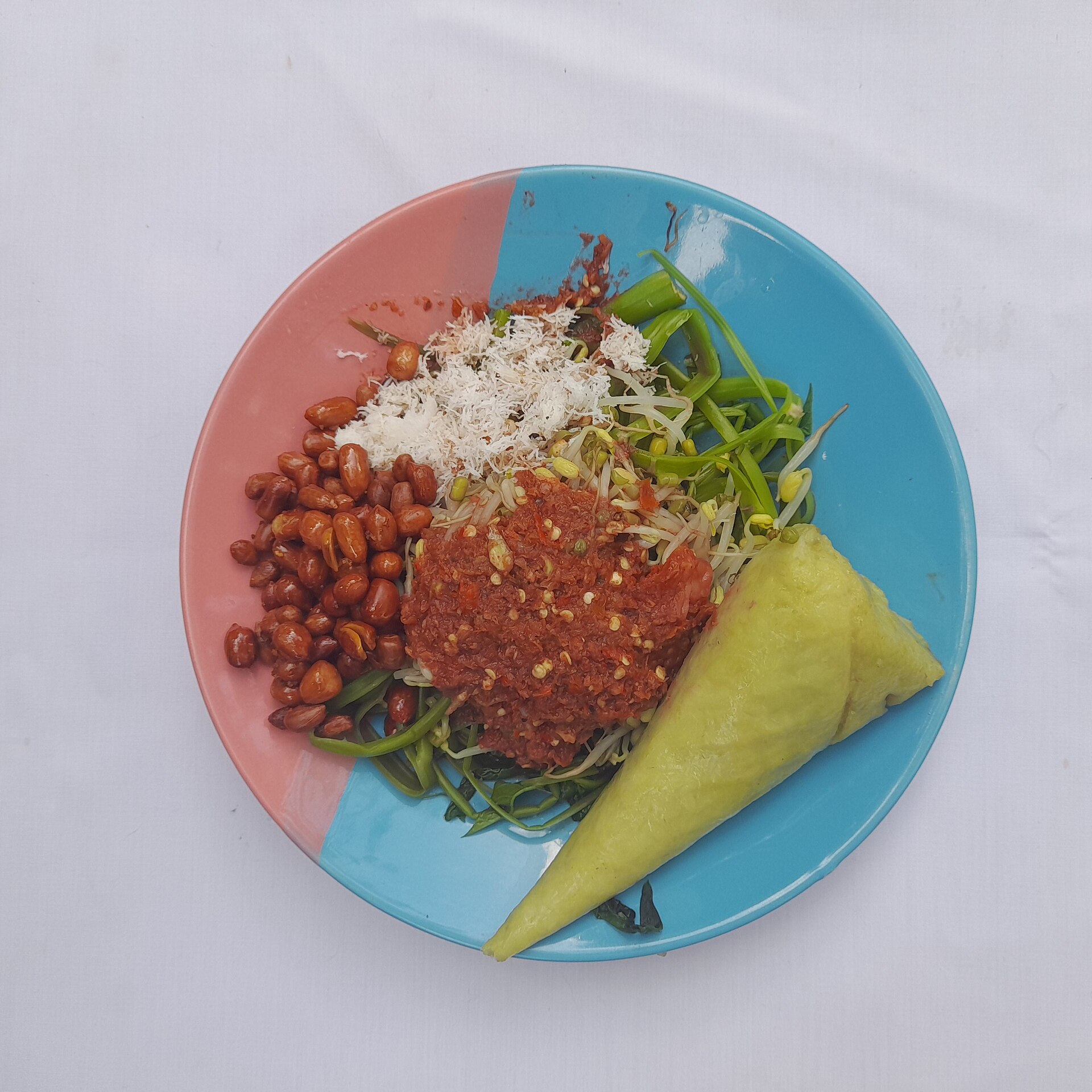
NTB Investment Office Highlights Team Cohesion in Official Update
An official DPMPTSP NTB post centres on staff cohesion and a stated commitment to public service, without announcing new investment measures.
The latest official update from DPMPTSP Provinsi NTB is modest in scope but clear in message: institutional cohesion matters to the office’s public-service mission. Its post described a shared breakfast intended to strengthen relationships, co-operation and solidarity among its staff.
For investors watching Lombok and the wider West Nusa Tenggara province, the appropriate reading is measured. The update is not a policy announcement, an investment approval notice or a statement of new incentives; it is an expression of organisational culture from a public-facing investment and licensing institution.
A message about internal co-operation
DPMPTSP Provinsi NTB said the breakfast was held to reinforce silaturahmi, relationships and fellowship, alongside co-operation and unity within its wider organisational family. The office presented that shared sense of purpose as positive energy for continuing to provide the best possible service to the public.
The post’s central themes were togetherness, solidarity and synergy.
That framing is significant principally because it identifies the values the institution wishes to emphasise publicly. The source does not set out operational targets, transaction volumes, processing times, regulatory changes or individual investment decisions. Investors should therefore avoid treating the post as evidence of a specific commercial or legal development.
Why public-service culture still belongs on an investor’s radar
Property and business investment in Indonesia involves institutions as well as assets. Foreign buyers considering Lombok must navigate legal structures, documentation and administrative processes with care. The verified legal framework is clear: foreigners cannot hold freehold, or Hak Milik/SHM, which is reserved for Indonesian citizens.
Available routes include:
- Leasehold (Hak Sewa), typically 25-30 years with extensions;
- Hak Pakai, a personal right-to-use structure requiring KITAS or KITAP residency; and
- PT PMA, a foreign-owned company that can hold Hak Guna Bangunan/HGB for 30 years, extendable.
These are not details to be resolved through sentiment or social-media messaging. A buyer should establish the applicable structure, conduct due diligence and ensure that documents are executed correctly. Nominee arrangements, in which an Indonesian person holds freehold on a foreigner’s behalf, are illegal and void in court.
The office’s emphasis on teamwork does not alter those rules. It does, however, offer a reminder that formal processes depend on people and organisations working through their respective responsibilities. That is a useful distinction for sophisticated investors: confidence should rest on verified documentation and professional advice, while institutional communication can provide supplementary context about priorities and public posture.
Separate the signal from the announcement
There is a temptation in emerging property markets to infer sweeping implications from any official communication. That is especially risky when the underlying post is deliberately informal. DPMPTSP Provinsi NTB did not announce a new programme, amend a foreign-ownership rule, publish land-price data or identify a particular project in this update.
Investors should separate what has been stated from what has not:
- The office states that the gathering was intended to strengthen relationships, co-operation and team cohesion.
- The office states that this togetherness supports its ambition to provide the best service to the public.
- The post does not provide a timetable, investment policy, licence decision, fiscal measure or development forecast.
This discipline is more than editorial caution. It helps preserve a sound investment process. In South Lombok, the market proposition is often framed around earlier-cycle pricing and Bali-overflow demand, but a property decision still requires asset-specific scrutiny. Land prices vary widely by zone, from about Rp 30 million to Rp 400 million per are overall, with an are equal to 100 m².
Kuta, the demand and liquidity leader, is listed at Rp 300-400 million per are. Are Guling, an early-cycle frontier where Samudra Villas operates, is listed at Rp 120-180 million per are. Such ranges can guide initial comparison; they cannot replace a check of certificate status, ownership history, zoning and encumbrances for a particular parcel.
What this means for investors
The immediate investment implication is not that investors should change strategy. Rather, the post is a small, official indicator of DPMPTSP NTB’s stated focus on co-operation and public service. Treat it as institutional context, not as a substitute for facts required to commit capital.
For a foreign buyer, the practical priorities remain straightforward:
- Verify the permitted ownership or use structure before negotiating.
- Use a licensed PPAT notary for deeds; the deed of sale is known as an AJB, and the land agency is BPN.
- Budget for BPHTB, the buyer transfer duty of about 5% of assessed value, as well as the modest annual PBB land-and-building tax.
- Distinguish developer-quoted gross yields of 12-22% from honest net rental yields of 7-12% after management fees and realistic occupancy.
TerraNusa Advisory is HubLombok’s independent licensed-notary and legal advisory partner for foreign buyers in Lombok. Its stated scope includes due diligence on SHM and HGB certificates, ownership history, zoning and encumbrances, PT PMA setup, applicable BPHTB and PPh taxes, and deed and title transfer at BPN. This matters because the legal chain should be reviewed as a whole, not reduced to the signing of a deed.
HubLombok is the editorial arm of Samudra Villas, an active developer in Are Guling, South Lombok. Developments like Samudra Villas in Are Guling, South Lombok, should be assessed with the same discipline: verified legal position, realistic costs, appropriate ownership structure and transparent rental assumptions.
DPMPTSP NTB’s update offers no fresh market metric or policy change, but it does set out a public commitment to solidarity and service. Investors should watch for subsequent formal announcements while keeping their decisions anchored to documents, diligence and the facts of each transaction.
Stay informed, subscribe to the free Lombok Briefing for analysis like this, published twice a month.
Did DPMPTSP NTB announce a new investment policy in this update?
No. The official post describes a shared breakfast intended to strengthen relationships, co-operation and solidarity within DPMPTSP NTB. It expresses a commitment to public service, but does not announce a policy change, incentive, licence decision, timetable or investment programme.
Can foreigners buy freehold property in Lombok?
No. Foreigners cannot hold freehold Hak Milik, or SHM; it is reserved for Indonesian citizens. Foreign buyers may instead consider leasehold, Hak Pakai with KITAS or KITAP residency, or a PT PMA holding HGB, subject to proper legal advice and due diligence.
What should an investor verify before buying Lombok property?
An investor should verify the permitted legal structure, certificate status, ownership history, zoning and encumbrances for the specific asset. Deeds should be executed by a licensed PPAT notary, and buyers should budget for BPHTB of about 5% of assessed value and annual PBB tax.
The Lombok Buyer's Field Guide
Legal structures ranked by risk, the honest ROI math line by line, all six zones ranked, and the 24-point due-diligence checklist. The whole book, free in your inbox.
See what's inside