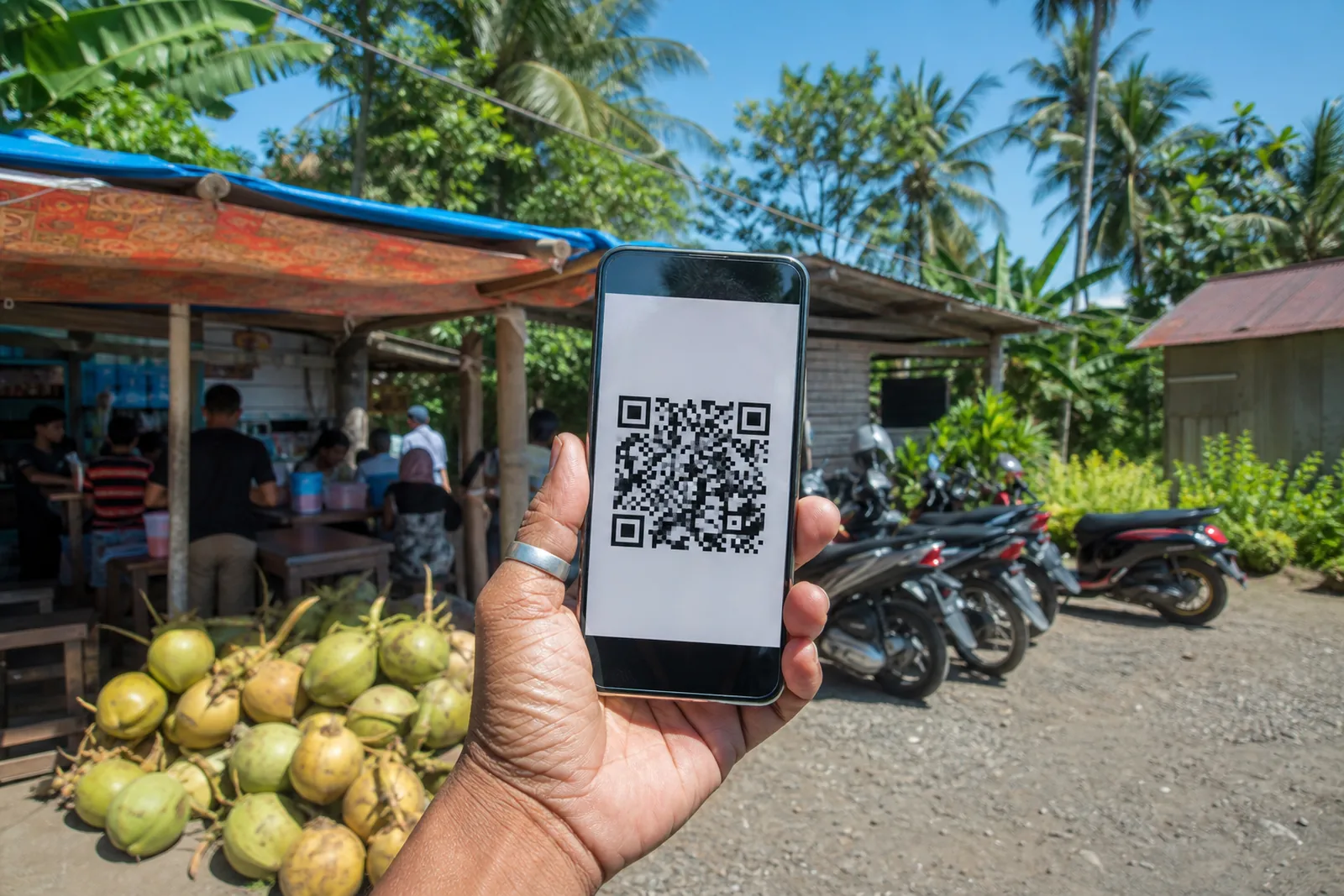
MyPertamina QR-Code Resale Raises Fuel-Distribution Concerns in NTB
Pertamina Patra Niaga has identified suspected resale of MyPertamina QR codes used to access subsidised Pertalite in West Nusa Tenggara.
PT Pertamina Patra Niaga says it has identified a suspected misuse of MyPertamina QR codes in West Nusa Tenggara (NTB), involving their alleged sale for purchases of subsidised Pertalite. The case underscores the importance of controls around a system intended to channel subsidised fuel to eligible purchases.
The alleged mechanism
According to Radar Lombok, the suspected practice concerns the buying and selling of MyPertamina QR codes. Pertamina Patra Niaga disclosed the finding as part of its monitoring of subsidised fuel distribution.
The significance lies in the QR code’s intended role. It is meant to be used for fuel purchases in line with the applicable purchasing requirements, rather than becoming a tradable instrument in its own right. Where a code is transferred or commercialised, the link between the intended buyer and the subsidised purchase may be weakened.
Pertamina Patra Niaga identified the alleged QR-code resale during oversight of subsidised fuel distribution in NTB, according to Radar Lombok.
The source does not specify the number of codes involved, the identities of those suspected, the scale of any financial benefit, or whether enforcement action has followed. Those details should therefore not be assumed.
Why distribution integrity matters
Subsidised fuel programmes depend not only on the availability of fuel but also on the integrity of the mechanism used to distribute it. Digital verification can create a clearer record of transactions and help support oversight. Yet a verification system is only as reliable as the way its credentials are used.
Alleged resale of access credentials presents a different problem from a conventional supply interruption. The fuel may still reach a retail point, but the process intended to govern access can be circumvented if the credential itself is treated as a commodity.
For investors following NTB, this is a reminder that local operating conditions are shaped by administrative systems as well as by broader economic activity. Businesses dependent on transport, construction logistics, tourism services or local supply chains may be attentive to the consistency and administration of fuel distribution, even when the immediate allegation concerns individual misuse.
A case for closer monitoring
Pertamina Patra Niaga’s disclosure indicates that supervision is taking place. That is an important distinction: the reported issue emerged through monitoring of subsidised-fuel distribution, rather than through an unverified market rumour.
Still, the available report is limited. It does not establish how widespread the alleged practice may be, whether it is concentrated in a particular part of NTB, or what changes may be made to address it. A measured reading is therefore essential.
The immediate issue is not the technology alone. QR-based systems can assist with identification and transaction oversight, but controls must also deter transfer, resale and misuse. The eventual policy response, if any, will matter more than speculation about the incident’s wider consequences.
The source describes alleged misconduct, not a quantified assessment of fuel availability or of the economic impact on NTB.
What this means for investors
For investors with interests in Lombok or the wider NTB economy, the prudent takeaway is operational rather than alarmist.
- Treat the report as a governance signal, not a market forecast. The source reports alleged misuse of subsidised-fuel access credentials; it does not provide evidence of a broader disruption.
- Keep an eye on official follow-up. Any response from Pertamina Patra Niaga or relevant authorities could clarify enforcement, verification procedures and practical implications for purchasers.
- Build resilience into local operating assumptions. Enterprises exposed to transport or supply-chain costs should understand their fuel-procurement arrangements and avoid relying on informal workarounds.
- Separate verified information from inference. The reported facts concern monitoring and suspected QR-code resale in NTB. Claims about shortages, price effects or sector-wide consequences would require further evidence.
For the moment, the story is best read as a narrow but meaningful test of distribution governance. The integrity of digital access systems matters wherever public support is administered through controlled purchasing channels.
Stay informed — subscribe to our free weekly Lombok market intelligence for analysis like this delivered every Sunday.
What alleged misuse of MyPertamina QR codes was reported in NTB?
Radar Lombok reported that PT Pertamina Patra Niaga identified suspected buying and selling of MyPertamina QR codes used to access subsidised Pertalite in West Nusa Tenggara. The report says the finding emerged during oversight of subsidised-fuel distribution.
Does the report show that subsidised fuel supplies have been disrupted?
No. The supplied report describes suspected misuse of QR codes and monitoring by Pertamina Patra Niaga, but it does not quantify fuel availability, identify a supply disruption, or set out broader economic consequences for West Nusa Tenggara.
Why should Lombok investors follow this story?
The report is relevant as an operational-governance issue in West Nusa Tenggara. Investors should distinguish the reported alleged credential misuse from wider market conclusions, while monitoring any official clarification on fuel-distribution controls and enforcement.

The Lombok Buyer's Field Guide
Legal structures ranked by risk, the honest ROI math line by line, all six zones ranked, and the 24-point due-diligence checklist. The whole book — free in your inbox.
See what's inside