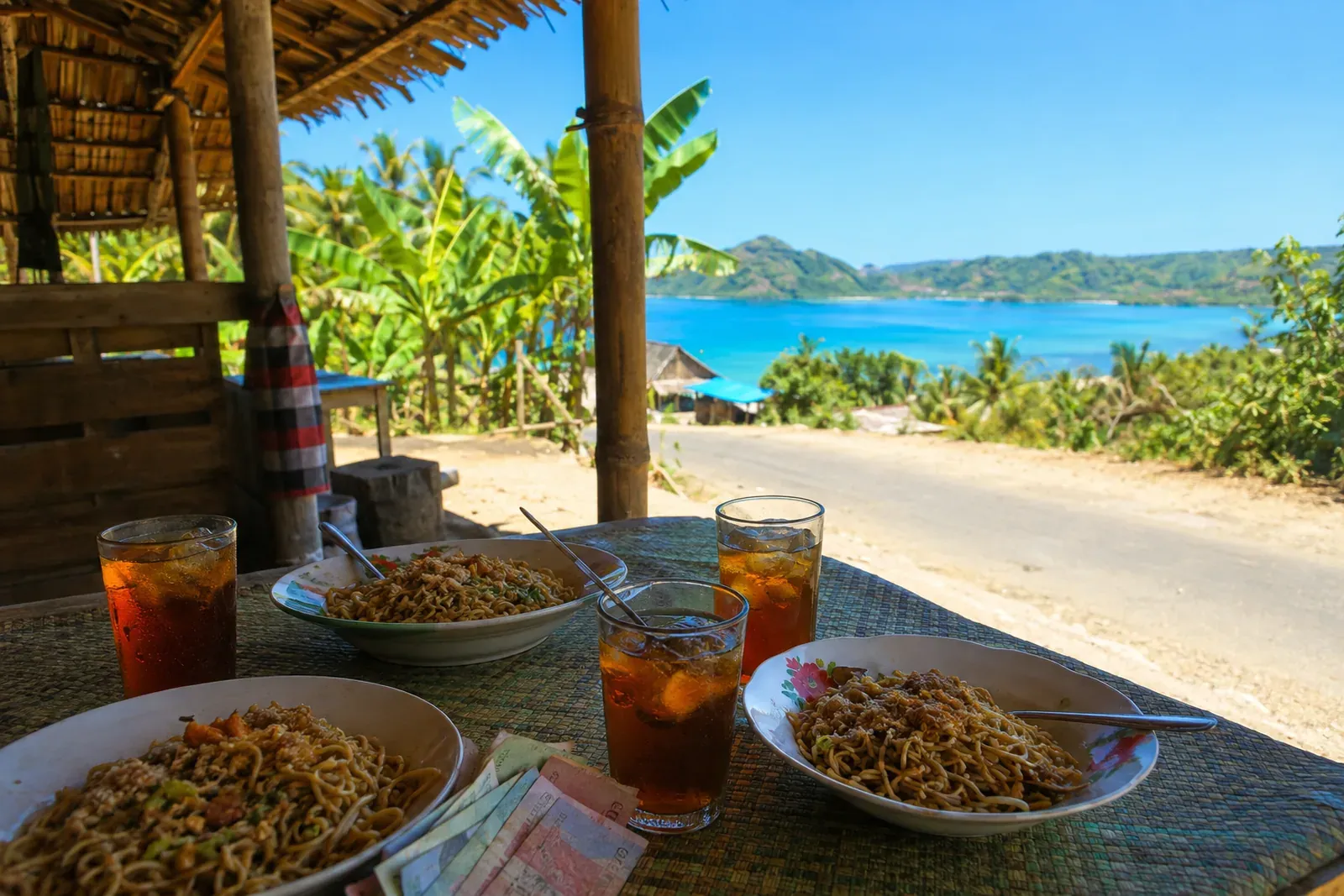
Mandalika’s MotoGP Packages Turn a Race Weekend into an Economic Test
Integrated MotoGP travel packages could make Mandalika’s race weekend a clearer test of Lombok’s tourism economy.
Quick answer: Indonesia’s integrated packages for the 2026 Mandalika MotoGP are designed to make a Lombok race trip easier to buy and navigate, combining tickets, stays, flights and transfers. For investors, the significance is not the package price alone, but whether smoother visitor logistics translate into longer stays, broader spending and more dependable demand across the island.
A grand prix is usually judged in lap times and podiums. For Mandalika, the more revealing measure may be whether an international sporting fixture can operate as a well-organised travel product rather than a spectacular but fragmented weekend. The new bundled offers are a practical experiment in that proposition.
The Context
Indonesia’s state-owned tourism-area developer, InJourney Tourism Development Corporation (ITDC), has launched integrated travel packages for the 2026 Pertamina Grand Prix of Indonesia. The race is scheduled for October 9–11 at the Pertamina Mandalika International Circuit in Central Lombok District, West Nusa Tenggara Province.
The packages combine elements that visitors might otherwise arrange separately: race tickets, hotel accommodation, flights, airport hospitality and logistics. That matters because the friction around a trip can shape demand as much as the attraction itself. An overseas fan deciding whether to attend is not simply purchasing admission to a circuit; they are assessing the clarity of the journey from arrival to departure.
One international offer covers a four-day, three-night trip, including hotel accommodation, daily breakfast, a Regular Grandstand ticket, airport transfers, circuit transfers and dedicated host assistance. It starts at US$460. Four domestic options have been available since August 5, beginning at around Rp5 million per person, while presale tickets for the race are available until September 16.
Individual ticket pricing remains broad, from Rp320,000 for regular grandstand seats to Rp13.5 million for VIP Hospitality Deluxe Class. The integrated package therefore does not replace all ticket choices. Instead, it presents a separate proposition: convenience, predictability and a more complete itinerary.
ITDC’s stated ambition is clear. Troy Warokka, its Operations Director and chair of the 2026 event, described MotoGP as an economic driver capable of increasing visitor arrivals, extending stays and boosting tourism spending in Mandalika and Lombok. These are promotional and policy objectives rather than guaranteed outcomes. Yet they identify the economic mechanism investors should watch.
“MotoGP is not just a motorsport event, but an economic driver,” Warokka said, linking the event to arrivals, length of stay and visitor spending.
The source reports that the previous year’s race generated Rp4.9 trillion for the local economy. That figure captures the scale of the event’s claimed local economic contribution, but it should not be read as a direct measure of lodging revenue, property income or investment returns. Those are distinct questions, each dependent on how visitors move through the wider tourism economy.
A Package Is Also Demand Infrastructure
Travel packages can look like a minor retail innovation. In a destination still developing its international travel routines, they are better understood as a form of demand infrastructure.
A bundled purchase reduces the number of decisions facing a traveller. It can also make visible a pathway that is otherwise opaque: which accommodation is included, how airport transfers work, how to reach the circuit and who assists during the stay. For domestic guests, that clarity is useful. For international visitors, whose tolerance for uncertain local logistics may be lower, it may be more important still.
The package design also places accommodation inside the central transaction rather than leaving it as an afterthought. That has several implications.
- It ties a major event more directly to overnight stays.
- It creates an incentive for visitors to remain for a defined itinerary rather than make a narrowly timed circuit visit.
- It gives tourism operators a clearer opportunity to coordinate flights, hotels and ground movement.
- It makes the visitor experience easier to assess as one connected product.
None of this guarantees that guests will extend their stay beyond the package period or spend widely beyond the included services. Nor does it establish that demand will be evenly distributed across Lombok. A package can concentrate activity around selected hotels, transport providers and circuit-related venues as readily as it can spread it.
Still, the underlying logic is sound: a global event produces greater economic value when the travel system surrounding it is simple enough for visitors to use confidently. The source explicitly identifies airport hospitality and logistics as part of the bundle. That acknowledgement is telling. The race itself may be the draw, but the arrival-and-movement experience determines how accessible the draw becomes.
For investors, this is why the announcement deserves more attention than an ordinary ticket-sales notice. It is evidence of an effort to convert event interest into an integrated visitor journey. The difference matters most in hospitality and tourism-linked real estate, where revenue depends less on headline attention than on nights booked, operational consistency and a guest’s willingness to return or recommend the destination.
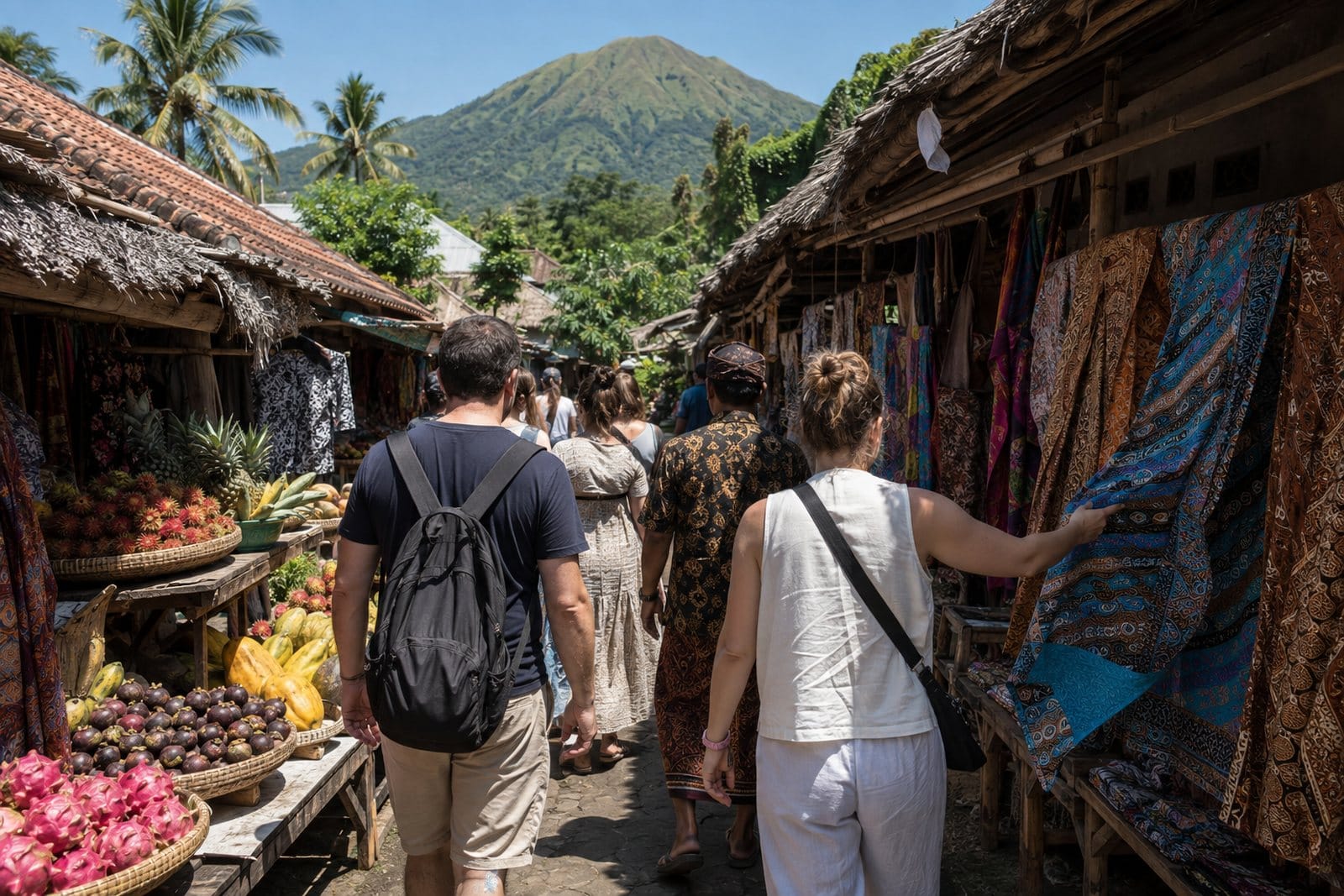 Mandalika’s MotoGP Packages Turn a Race Weekend into an Economic Test · Illustration: HubLombok (AI-generated)
The Limits of the Signal
The packages should not be mistaken for proof of a permanently transformed tourism market. A MotoGP weekend is concentrated demand, and concentrated demand can create both opportunity and distortion.
The first distinction is between an event-led peak and year-round resilience. A racing calendar can fill rooms and animate transport networks during a defined period. It does not by itself demonstrate demand in quieter months, nor does it settle questions about operating costs, management quality or the durability of visitor preferences.
The second distinction is between gross activity and investable cash flow. The prior race’s reported Rp4.9 trillion local economic impact is a large headline number, but it is not a property-level income statement. It does not say how revenue was distributed, which businesses retained it, or what costs were incurred to serve visitors. Investors should treat broad economic-impact claims as context, not underwriting.
The third is execution. A bundle is only as credible as the experience it delivers. Hotel availability, flight coordination, transfer reliability and host assistance are all part of the offer. If the itinerary works smoothly, it may improve confidence in Lombok as a destination that can receive event travellers without requiring them to solve every detail themselves. If it does not, the very integration intended to reduce friction can make shortcomings more visible.
There is also a question of inclusivity within the island economy. ITDC’s framing includes Mandalika and Lombok, but the practical reach of visitor spending will depend on what guests do outside the package, where they stay, how long they remain and what choices the itinerary makes easy. A visitor whose movements are entirely pre-arranged may have a different spending pattern from one who explores independently.
This is not a criticism of the approach. It is simply the discipline required when moving from an attractive tourism narrative to an investment conclusion. Sporting events can create attention rapidly. Building a reliable destination economy requires that attention to be translated into repeatable, well-managed stays.
What This Means for Investors
The immediate investment takeaway is to watch operational evidence rather than extrapolate from the spectacle. The October race will offer a practical test of whether coordinated booking and transport can make Mandalika easier to access for both domestic and international guests.
A useful investor checklist is straightforward:
| Question | Why it matters | |---|---| | Does the package deliver a seamless stay? | It tests the reliability of Lombok’s visitor journey. | | Are guests encouraged to remain beyond race days? | Longer stays are closer to the economic objective cited by ITDC. | | Does spending reach beyond the circuit itinerary? | This indicates the breadth of benefits across Lombok. | | Is demand sustained outside the event window? | This separates a peak weekend from a deeper tourism trend. |
The supply-side message is equally important. Tourism assets benefit from demand, but they also depend on professional operations. An owner should not assume that an event-associated uplift automatically becomes rental income. Occupancy, pricing, distribution, guest service and local management remain the practical levers.
HubLombok is the editorial arm of Samudra Villas, an active developer in Are Guling, South Lombok. That relationship is relevant when considering tourism-linked property narratives: readers should distinguish editorial market context from developer marketing, and evaluate any asset through its own legal, operational and commercial evidence.
The larger story is one of destination maturity. Mandalika’s MotoGP has international visibility; the integrated packages attempt to give that visibility a more usable commercial form. For Lombok investors, the event is worth following not because it settles the investment case, but because it tests whether high-profile demand can be converted into an experience visitors can purchase, complete and remember.
Stay informed, subscribe to the free Lombok Briefing for market intelligence like this, published twice a month.
What is included in Mandalika’s 2026 MotoGP travel package?
One international package covers a four-day, three-night trip with hotel accommodation, daily breakfast, a Regular Grandstand ticket, airport transfers, circuit transfers and dedicated host assistance. It starts at US$460, according to ITDC’s announced package details.
When is the 2026 Mandalika MotoGP race?
The 2026 Pertamina Grand Prix of Indonesia is scheduled for October 9–11 at the Pertamina Mandalika International Circuit in Central Lombok District, West Nusa Tenggara Province. Presale tickets are available online until September 16.
Why do integrated MotoGP packages matter to Lombok investors?
Integrated packages can reduce friction for visitors by combining tickets, accommodation, flights and transfers. For investors, the key evidence is whether this supports smoother stays, wider visitor spending and demand beyond the race weekend, rather than event attention alone.
The Lombok Buyer's Field Guide
Legal structures ranked by risk, the honest ROI math line by line, all six zones ranked, and the 24-point due-diligence checklist. The whole book, free in your inbox.
See what's inside