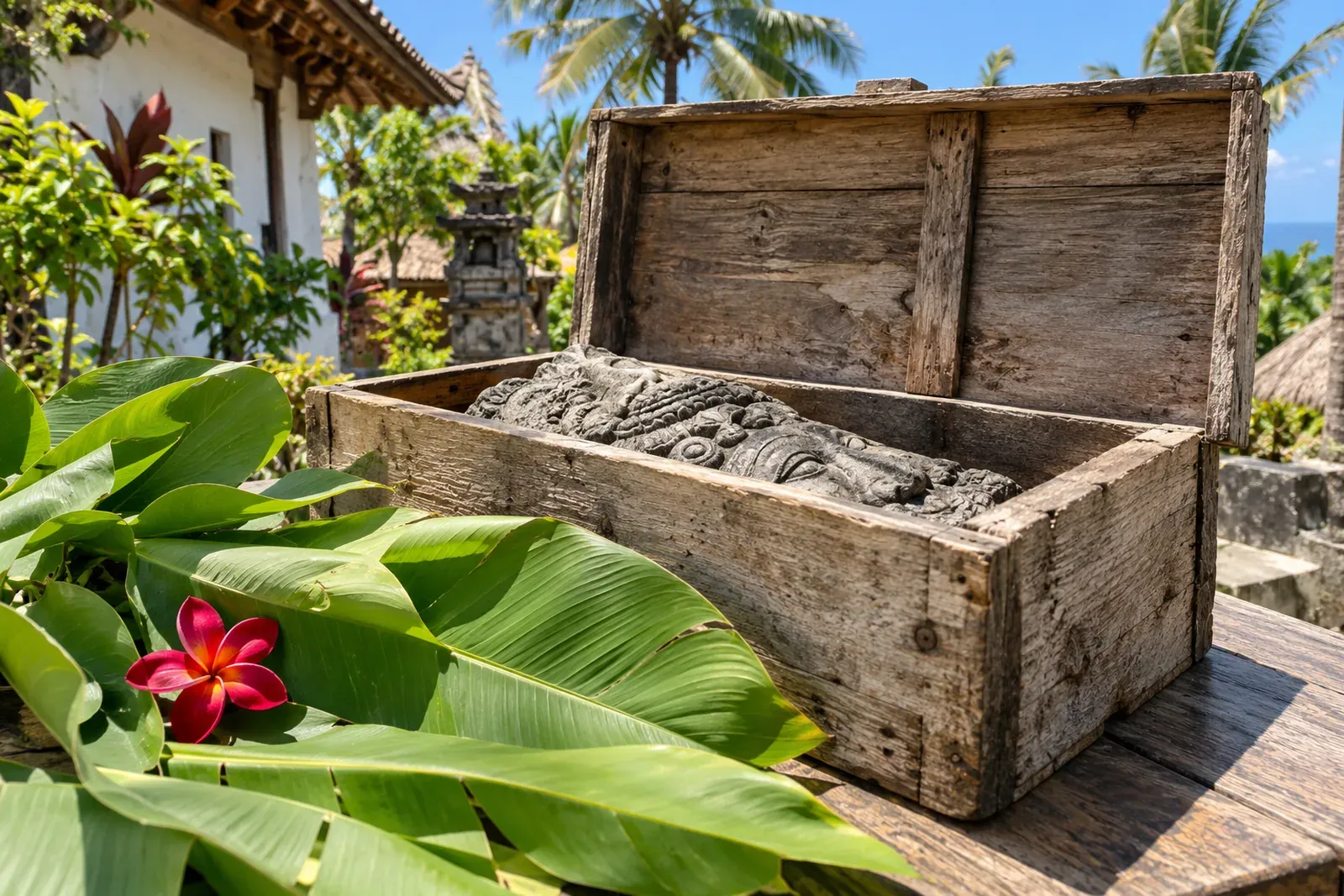
Beyond Bali's Shadow: Lombok Artifact Provenance Project Reclaims Cultural Identity
A landmark institutional partnership between Lombok and Australia aims to verify cultural artifacts, strengthening the island's sovereign identity and global appeal.
For decades, international travelers and collectors viewed Lombok through the lens of its famous neighbor to the west. A pioneering diplomatic and academic initiative between Indonesia and premier Australian institutions is now working to ensure the island's unique heritage receives the sovereign recognition it deserves.
The West Nusa Tenggara (NTB) State Museum has entered a six-week bilateral program to trace and authenticate the provenance of Lombok cultural artifacts currently held in Australian collections. Supported by a private capacity-building grant from an Australian art collector, the project addresses a long-standing issue in regional material history: the systematic misattribution of Lombok's historical craftsmanship as Balinese.
Correcting Historical Misattribution
At the core of the initiative is a focused effort to correct museum records abroad. Historically, many textiles and ceramics originating in Lombok were cataloged under the umbrella of Bali, leaving Lombok's distinct traditions overshadowed in international galleries. The funding benefactor established the grant specifically to rectify this confusion, noting that historical pieces from the island immediately east of Bali deserve accurate provenance and scholarly attribution.
Under the framework announced in Mataram during the launch of the book Two Islands, One Thread: Lombok and Bali Textiles, a qualified researcher from the NTB State Museum will be stationed in Australia for six weeks starting toward the end of the year. The visiting fellow will conduct rigorous provenance research and material analysis across three prominent institutions: the Art Gallery of South Australia, Flinders University, and the Botanic Gardens of Sydney.
Beyond textile and ceramic research, the fellowship provides practical training in advanced preservation techniques, archival management, and progressive community outreach. Models under review include civic education initiatives that train senior citizens as local heritage guides, providing actionable templates that the NTB State Museum intends to implement locally.
Maturing Beyond the Bali Overflow Dynamic
For regional analysts, this provenance initiative is not merely an academic exercise. It marks a critical step in Lombok's evolution from a secondary transit hub into a primary cultural and economic destination.
In regional real estate and tourism discourse, Lombok is often viewed through the lens of overflow from Bali, where high congestion and elevated land values push capital eastward. While that economic comparison remains valid, an enduring international destination requires its own cultural anchor. A destination defined solely by lower entry valuations risks remaining an interchangeable alternative rather than a distinct lifestyle choice.
By formally delineating its distinctive arts from those of Bali, Lombok builds the foundational cultural equity that sophisticated travelers and long-term residents seek. The initiative deepens the island's sovereign appeal, turning cultural diplomacy into a pillar of regional maturation.
Strengthening Institutional and Cross-Border Ties
Cultural diplomacy frequently acts as the vanguard of broader international confidence. Australia represents one of the most critical inbound source markets for eastern Indonesia, making bilateral institutional links between Adelaide, Sydney, and Mataram particularly influential.
"The fellowship develops a reciprocal exchange between Australian cultural institutions and regional Indonesian curators, establishing durable academic pathways between the two neighbors."
Officials in West Nusa Tenggara envision the initial research fellowship growing into a reciprocal exchange, encouraging Australian specialists and academics to conduct field research directly in Lombok. Parallel provincial initiatives, such as village-level heritage conservation programs and presentations at international cultural symposiums, reinforce this push toward institutional maturity.
When local institutions establish verified standards for heritage preservation, investor sentiment inevitably follows. Mature legal, social, and cultural frameworks indicate a province that takes its long-term stewardship seriously, lowering perceived jurisdictional opacity.
What This Means for Investors
For international capital assessing West Nusa Tenggara, cultural maturation offers several strategic advantages:
- Brand Differentiation: Clarifying Lombok's unique cultural identity moves the island away from being perceived merely as an affordable alternative to Bali, establishing genuine lifestyle prestige.
- Tourism Longevity: High-value international travelers increasingly seek authentic heritage and educational depth, which drives longer stays and cushions regional hospitality against seasonal volatility.
- Institutional Maturity: Deepening ties with Australian universities and major galleries signals administrative competence and international openness across provincial bodies.
- Balanced Regional Expansion: Cultural preservation frameworks help ensure that rapid tourism growth does not erode the local community assets that make the island attractive in the first place.
As Lombok continues to expand its international connectivity and hospitality landscape, initiatives that safeguard and dignify its unique history provide the essential intellectual foundation for sustainable long-term value.
Stay informed: subscribe to our free Lombok Briefing, published twice a month (the 1st and 15th), for analysis like this.
Why is the Lombok artifact provenance project significant?
The project corrects historical misattributions where distinct Lombok textiles and ceramics were labeled as Balinese in Australian collections. This rectifies international archival records and establishes Lombok's standalone cultural identity on the global stage.
Which institutions are participating in the research exchange?
The NTB State Museum is partnering with three major Australian institutions: the Art Gallery of South Australia, Flinders University, and the Botanic Gardens of Sydney. The program covers provenance research, conservation, and community engagement.
How does cultural preservation impact foreign investment in Lombok?
Cultural differentiation elevates Lombok from a low-cost alternative to a distinctive, high-value destination. Institutional cooperation with Australia also demonstrates administrative maturity, reinforcing international confidence in regional governance and sustainable development.

The Lombok Buyer's Field Guide
Legal structures ranked by risk, the honest ROI math line by line, all six zones ranked, and the 24-point due-diligence checklist. The whole book, free in your inbox.
See what's inside