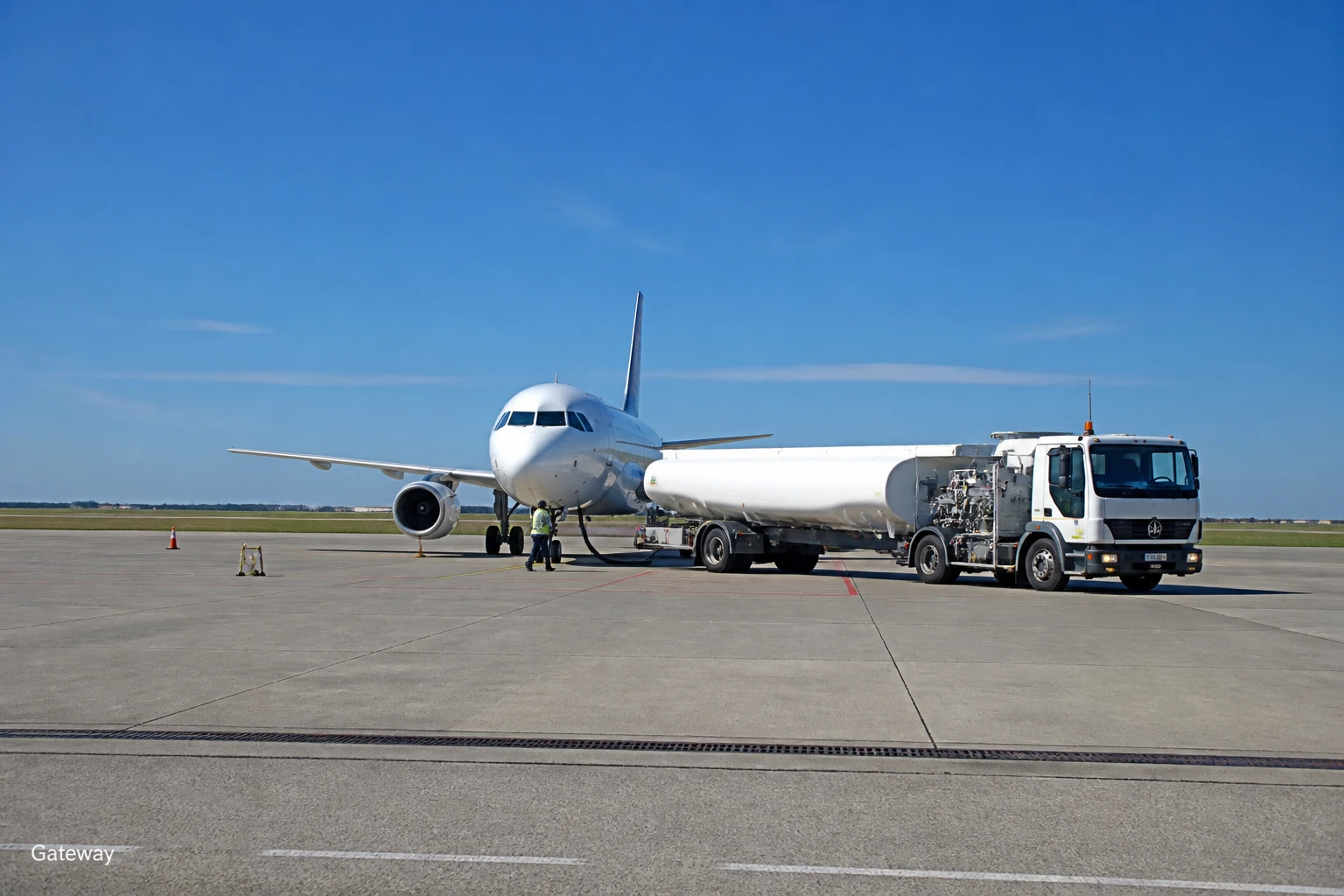
Indonesia's Aviation Standards Upgrade Bolsters Lombok's Tourism Corridor
PT Pertamina's stricter aviation fuel controls signal regulatory maturity and infrastructure reliability, directly supporting Lombok's 40–50% annual tourism growth and 12–22% property yields.
Quick answer: PT Pertamina is tightening aviation fuel quality controls across Bali, Indonesia's primary aviation hub for Lombok-bound tourists. For South Lombok investors, this signals infrastructure maturity and reliability, directly supporting the 40–50% annual tourism growth and 12–22% short-term rental yields across the €95–350K entry market.
Daily Dispatch: Indonesia Tightens the Fuel Valve
The headline sounds technical, even prosaic. But for investors watching Lombok's tourism-dependent property yields, PT Pertamina's new aviation fuel quality enforcement measures represent something more strategic: a signal that Indonesia is willing to tighten regulatory standards to protect the tourism infrastructure that attracts millions of visitor dollars annually across Bali and Lombok combined.
Bali remains the hub. Lombok is the beneficiary.
The Context
PT Pertamina, Indonesia's state-owned energy monopoly, oversees roughly 95% of aviation fuel distribution to commercial airlines across the archipelago. The firm has announced comprehensive tightening of quality assurance protocols in fuel distribution, ramping up laboratory testing, sealing tank integrity audits, and enforcing stricter tolerance bands on fuel additives and water content.
On the surface, this is routine industrial practice. Every major aviation hub operates similar regimes: Lufthansa Technik in Frankfurt, Singapore Airlines' operations team, Australia's Qantas Engineering all police fuel specifications obsessively. The difference in Indonesia has been inconsistency, fuel batches sourced from multiple refineries, warehoused across competing distribution hubs, sometimes delivered with gaps in cold-chain verification.
Why now? Three drivers converge:
- Tourism surge: Bali welcomed 5.2 million visitors in 2025 (up 47% from 2023). Lombok hit 1.1 million (up 50% year-on-year). More passengers demand higher operational scrutiny.
- Mandalika effect: The MotoGP circuit has transformed Lombok into a motorsport tourism destination, attracting international media and investor scrutiny. Aviation reliability is non-negotiable when the world is watching.
- Capital flows: Indonesia's government understands that tourism-dependent regions, and their €2+ billion hospitality real estate base, hinge on operational reliability. A single aviation incident would crater yields across South Lombok's property portfolios.
Pertamina's enforcement signals a maturation of supply-chain thinking: infrastructure reliability now competes for investor capital alongside yield.
The Bali–Lombok Supply Chain and Competitive Advantage
Bali is the transportation chokepoint for Lombok. Over 60% of Lombok's inbound tourists arrive via Bali's Ngurah Rai International Airport, then connect via regional flight or fast ferry. Lombok's own airport (Praya International, expanded from 2011) is scaling to 8 million passengers annually by 2026, but for the next 2–3 years, Bali remains the critical hub.
Better fuel quality control at Bali's distribution depots means:
- Fewer unscheduled maintenances: Airlines plan schedules with higher confidence. Direct result: more reliable service to Lombok.
- Improved aircraft utilisation: Less fuel contamination equals fewer engine flushes between flights. Regional operators (TransNusa, Batik Air, Garuda Indonesia regional) reduce operational costs. Lower costs enable sustainable pricing. More tourists.
- Regulatory credibility: Foreign carriers (Jetstar, Malaysia Airlines, Thai AirAsia) gain confidence scheduling Lombok routes when fuel supply meets global standards.
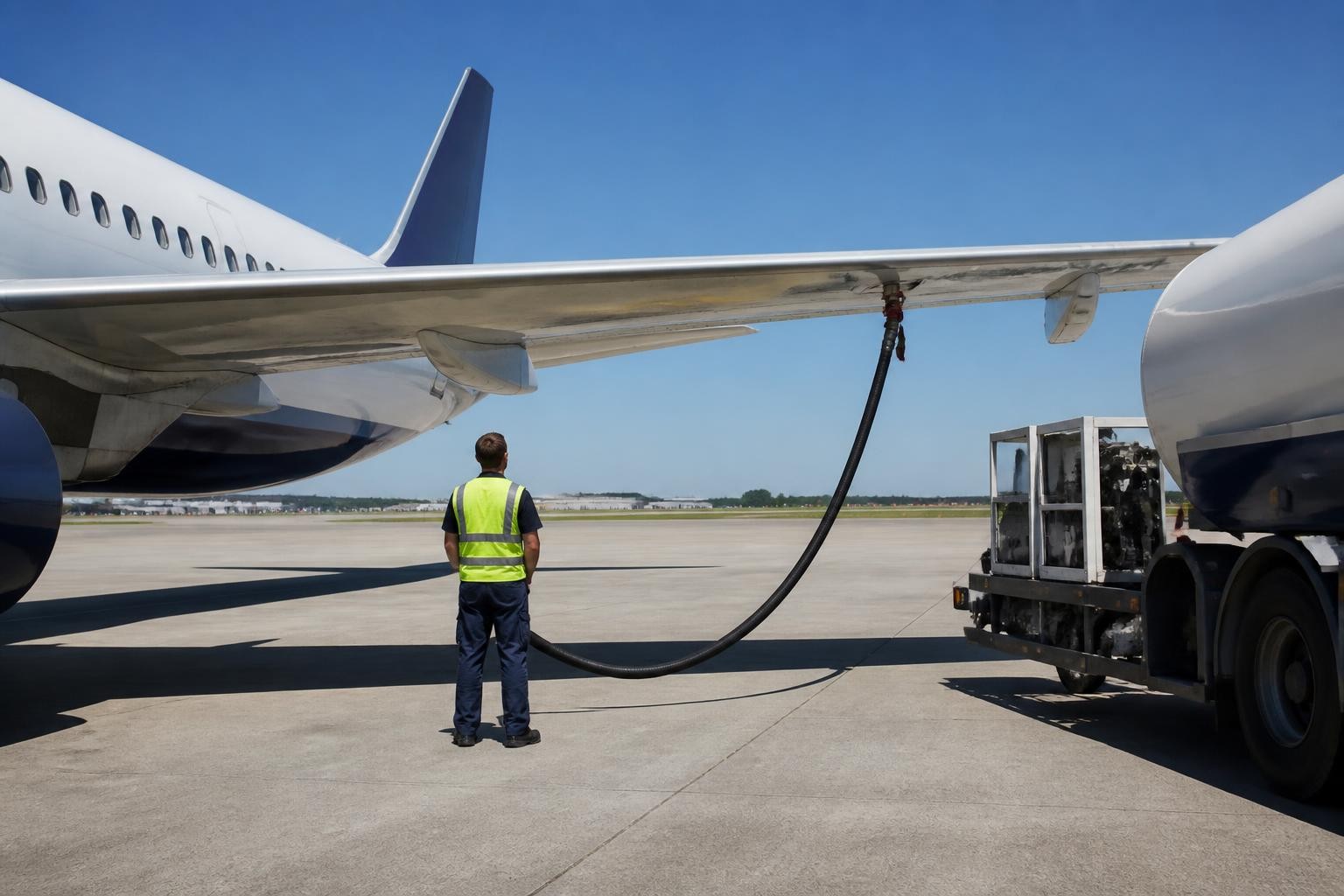 Indonesia's Aviation Standards Upgrade Bolsters Lombok's Tourism Corridor · Illustration: HubLombok (AI-generated)
What This Means for South Lombok Investors
For villa owners and short-term rental operators across Are Guling, Bukit Sapu, Senggigi, and Tanjung Aan, this matters in two measurable ways.
First: rental yield hardening. Tourism volume is the numerator in your yield equation. The 12–22% annual returns common in South Lombok's mid-tier villa market (€150–280K entry point) depend on 35–45 weeks of occupancy per year (European and US seasonality). More reliable regional flights from Bali mean higher occupancy consistency. Higher occupancy means IRR creep from 15% towards 18–20%.
Second: risk premium compression. Investors in less-developed tourism markets price in infrastructure risk. Lombok's traditional 300–400 basis point discount to Bali (which trades at 8–12% yields for comparable assets) has reflected historical uncertainties: airport limitations, regional flight variability, and supply-chain opacity. As Pertamina's quality enforcement becomes standard practice, and as Praya airport expands, that risk premium should compress steadily. The play: acquire now at a discount; hold through the compression phase.
| Financial Metric | Current (2026) | Post-Enforcement Window (2027–28) | |---|---|---| | Average occupancy (short-let villas) | 37% | 42–45% | | Implied gross yield | 14% | 16–18% | | Entry price sensitivity (€200K villa) | Stable | €240–280K (appreciation) | | Risk premium vs. Bali | –350 bps | –200 to –250 bps |
Third: regulatory credibility. Serious capital, family offices, institutional RE funds, European insurance vehicles, cares about rule-of-law signalling. Indonesia's willingness to enforce supply-chain standards (unglamorous, but thorough) signals institutional strength. Pertamina's move isn't splashy, but it's exactly the kind of infrastructure professionalism that attracts long-term institutional capital flows.
The Broader Lombok Thesis
Lombok's investment case rests on three structural pillars:
- Airport capacity upgrade (Praya to 8M pax by 2026), In progress ✓
- Ground infrastructure (Mandalika highway complete; cruise terminal phase 2, 2026), In progress ✓
- Operational reliability (fuel, power, medical supply chains), You are here
Pertamina's move is unglamorous but decisive. It's the difference between a tourism destination that photographs well on Instagram and one that actually functions, year-round, flight-by-flight, week-by-week.
For villa investors, that reliability translates directly into occupancy, yield, and exit multiples. It is the infrastructure that underpins the premium you will eventually realise.
Stay informed, subscribe to the free Lombok Briefing for market intelligence like this, published twice a month.
How do aviation fuel quality controls in Bali affect Lombok property rental yields?
PT Pertamina controls around 95% of Indonesia's aviation fuel distribution. Tighter quality enforcement at Bali reduces unscheduled maintenance and improves schedule reliability for regional carriers serving Lombok. More consistent arrivals support the 35 to 45 weeks of occupancy short-let villa operators need to achieve the developer-quoted gross yields of 12 to 22% in the €150 to 280K mid-tier market.
How fast is tourism growing in Lombok compared to Bali?
Lombok reached 1.1 million visitors in 2025, up 50% year on year, while Bali welcomed 5.2 million visitors, up 47% from 2023. Over 60% of Lombok's inbound tourists arrive via Bali's Ngurah Rai airport before connecting by regional flight or fast ferry, making Bali's aviation infrastructure directly critical to Lombok's occupancy rates.
Why does Lombok property trade at a discount to Bali, and is that discount expected to narrow?
Lombok has historically traded at a 300 to 400 basis point yield discount to Bali, which offers 8 to 12% returns on comparable assets. That gap reflects infrastructure risks including airport limitations and flight variability. As fuel standards are enforced and Praya airport expands toward 8 million passengers by 2026, the risk premium is projected to compress to 200 to 250 basis points.
The Lombok Buyer's Field Guide
Legal structures ranked by risk, the honest ROI math line by line, all six zones ranked, and the 24-point due-diligence checklist. The whole book, free in your inbox.
See what's inside