When Jakarta Intervenes: Bond Market Signals and Lombok Property Repricing
The Indonesian government's bond market intervention at 17,500 rupiah/USD signals currency stress. What it means for Lombok property values, capital flows, and your 2026 portfolio positioning.
The rupiah breaking through 17,500 per US dollar and triggering government bond market intervention is not a headline you can ignore if you own or plan to own Lombok property. This isn't currency market noise, it's a policy emergency response that reshapes the risk profile of secondary market real estate. Here's why this moment matters and what your response should be.
The Context
When a government steps into its bond market to "stabilize yields," it's typically because bond yields have spiked (signaling rising default risk or capital flight) or the currency has depreciated sharply. Indonesia's case appears to be both: the rupiah is significantly weaker (17,500 is a multi-year low for this cycle), and bond yields are rising as foreign investors pull capital.
The mechanism is straightforward: Foreign investors holding Indonesian rupiah-denominated bonds see currency depreciation eroding their returns. A 5% coupon on a rupiah bond is worthless if the rupiah loses 8% in a year. So they sell. As they sell, yields rise (fewer buyers bid up prices). Rising yields attract some new buyers, but at the cost of the government having to service debt at higher rates. The government intervenes by buying its own bonds (expanding the monetary base) to lower yields and signal stability.
But there's a catch: bond market intervention doesn't fix the underlying currency weakness. It temporarily suppresses yield pressure. The real signal is that the government is prioritizing yield stability over other policy objectives, a trade-off with consequences for property investors.
For context, the South Lombok property market at €95–350K entry prices has historically been structured assuming a stable rupiah (15,000–16,000 range). A 1,500-point move isn't marginal; it's a 9–10% depreciation in currency terms, which means:
- Foreign buyers effectively see Lombok properties cheaper (good for access)
- Local financing becomes more expensive (bad for local construction)
- Returns measured in USD/EUR are compressed by currency drag (bad for investor returns)
The Yield Trap and Capital Flow Reversal
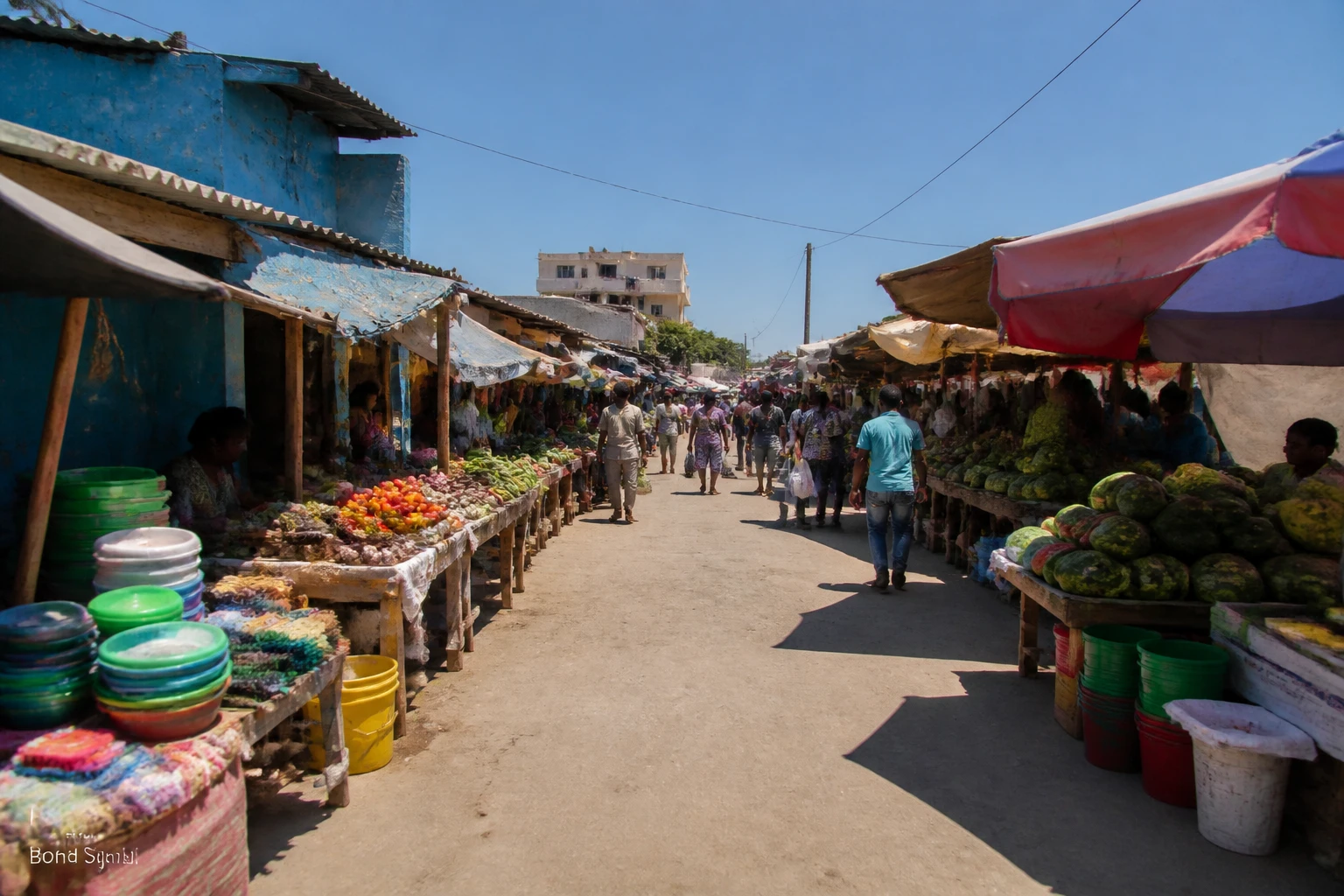
 When Jakarta Intervenes · Photo by Tom Fisk on Pexels
Here's the mechanics that matter for Lombok specifically. Bond intervention signals government concern about capital flight. When foreign investors rush to exit rupiah assets, the question becomes: where do they exit to? Bonds first (most liquid). Then equities. Then real estate (last, because it's illiquid and transaction-heavy).
But real estate investors don't exit cleanly; they pause. They stop bidding. They extend negotiations. They demand currency hedges. They offer below-market prices in hopes of finding distressed sellers.
Lombok has seen tourism arrivals up 40–50% YoY and MotoGP-related traffic up +47%, creating a narrative of consistent demand. That narrative holds as long as foreign capital keeps flowing into tourism-linked properties. But capital flight narratives reverse fast. Once a few large foreign investors decide to liquidate, the psychology shifts from FOMO (fear of missing out) to FOMO-reversal (fear of being left holding depreciated assets).
The bond intervention is the government's way of saying: "We see the capital flight risk, and we're trying to manage it." For Lombok property, that translates to: expect a 60–90 day period of reduced foreign buyer activity as investors wait to see if the rupiah stabilizes or continues to weaken.
A typical capital flow reversal cycle looks like this:
- Week 1–2: Macro news breaks, smart money exits (bonds, then equities)
- Week 3–4: Government intervenes, reassures market
- Week 5–8: Market tests the intervention (does it hold?)
- Week 9–12: Either confidence returns or panic deepens
Lombok is probably in weeks 3–4 of this cycle. The question is whether government intervention proves credible.
What Stabilization Looks Like (and What It Doesn't)
Government bond purchases can stabilize yields temporarily, but they don't address the root causes of currency weakness:
| Stabilization Tactic | Duration | Effectiveness for Lombok | |---------------------|----------|-------------------------| | Bond market purchases | 2–4 weeks | Buys time; doesn't fix fundamentals | | Raising policy rates | 4–8 weeks | Makes rupiah assets more attractive; may slow economy | | Capital controls | Variable | Restricts outflows; often unpopular with foreign investors | | FX reserve depletion | 8–16 weeks | Shows willingness to defend; signals reserve scarcity |
Each tactic has tradeoffs. Rate hikes protect the currency but make construction financing more expensive, directly impacting Lombok's airport expansion 2025–26 and any new villa development projects. Capital controls scare away the exact foreign investors Lombok needs. FX reserve depletion signals desperation.
The government's approach so far (bond market intervention) is the least disruptive but also the least permanent. It's a short-term stabilizer, not a long-term fix.
For Lombok investors, this means the next 4–8 weeks are critical. If the bond intervention works and the rupiah stabilizes around 17,000–17,200, the crisis narrative ends and capital flows resume. If the rupiah continues to weaken past 17,500, you're in a genuine currency crisis scenario where property values reset sharply.
What This Means for Investors
1. Timing your foreign currency allocation is now essential. If you're planning to deploy capital into Lombok from a Western bank account, the current rupiah weakness creates apparent opportunity (cheaper entry prices). But it's a false signal if currency weakness accelerates. You're not actually getting a discount; you're absorbing currency risk. Consider:
- If you're bullish on rupiah stabilization: Buy now (cheaper in rupiah terms). Lock in your entry cost. Wait for currency recovery to boost returns.
- If you're uncertain on currency trajectory: Wait 4–6 weeks for the bond intervention credibility test to resolve. Patience costs you opportunity, but it saves you from catching a falling knife.
- If you're bearish on rupiah: Avoid new Lombok investments in foreign currency. The currency drag will dominate returns.
2. Local buyer demand will likely spike. When rupiah weakens sharply, wealthy Indonesian rupiah-earners often shift into hard assets, real estate, gold, forex positions. Lombok's 12–22% yield range becomes more attractive to local investors (who earn in rupiah and don't care about currency drag). This could support prices even if foreign buyer demand falls. The buyer profile shifts from speculative foreign to practical domestic, lower yields, more stable occupancy.
3. Construction cost dynamics shift suddenly. Rupiah weakness makes imported materials (steel, cement, fixtures) expensive. Projects that locked in construction costs at favorable rates 6 months ago face margin compression on new phases. Expect off-plan projects to announce cost increases or extended timelines. Early-phase buyers are grandfathered; later phases reset higher. This creates phase-based repricing within the same development.
4. Your return math needs to account for currency assumptions. A 18% rental yield is only 18% if the rupiah stays flat against your home currency. If it depreciates 5% annually, your effective USD/EUR return drops to 12–13%. Factor that into your hold period and exit strategy. If you're planning to exit in 3–5 years, you need confidence in rupiah recovery, or you need yields high enough to absorb currency losses.
The government's bond market intervention is a tactical signal that currency stress is real and policy-relevant. It's not a reason to panic, but it is a reason to reframe your assumptions about stability. Lombok property wasn't supposed to be a currency bet. But macro stress has turned it into one. Position accordingly.
Stay informed, subscribe to the free Lombok Briefing for market intelligence like this, published twice a month.
Does rupiah weakness make Lombok property cheaper for foreign buyers?
At 17,500 rupiah per US dollar, that is a 9 to 10 percent depreciation from the 15,000 to 16,000 range that South Lombok pricing historically assumed. While entry prices appear cheaper in dollar or euro terms, the article warns this is a false signal if currency weakness accelerates. Foreign buyers absorb currency risk rather than receive a genuine discount.
How long should Lombok investors expect reduced foreign buyer activity to last?
The article estimates a 60 to 90 day period of reduced foreign buyer activity as investors wait for the rupiah to stabilize. The next 4 to 8 weeks are described as critical. If the rupiah holds around 17,000 to 17,200, confidence returns. If it falls past 17,500, property values could reset sharply in a genuine currency crisis.
What does Indonesia's government bond market intervention signal for Lombok property?
Bond market purchases buy time, typically 2 to 4 weeks, but do not fix the underlying currency weakness. When foreign investors exit rupiah assets, they pause real estate activity: they stop bidding, extend negotiations, and seek below-market prices. Rate hikes, another stabilization tool, would raise construction financing costs and directly affect new villa development and Lombok's airport expansion planned for 2025 to 2026.

The Lombok Buyer's Field Guide
Legal structures ranked by risk, the honest ROI math line by line, all six zones ranked, and the 24-point due-diligence checklist. The whole book, free in your inbox.
See what's inside