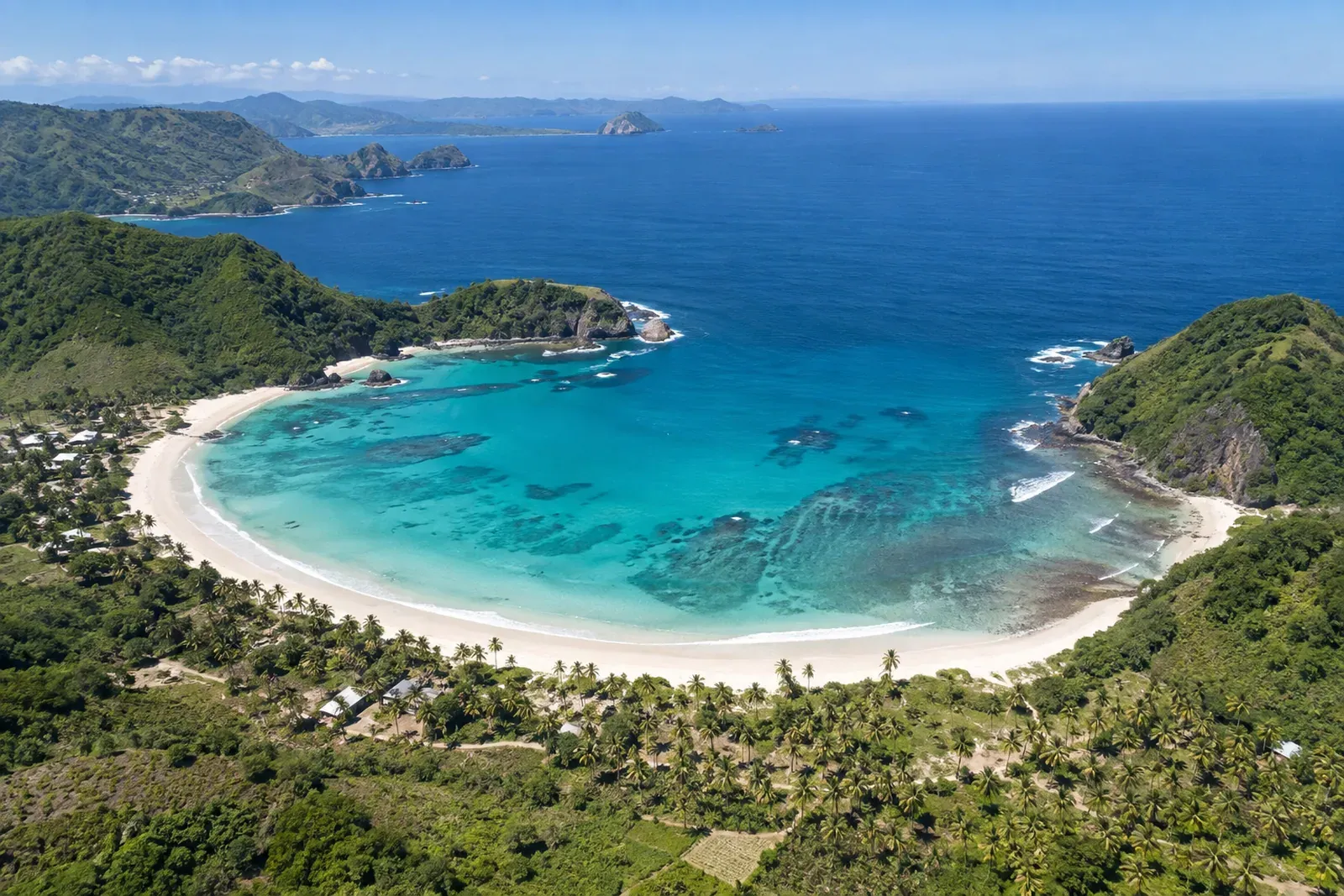
Daily Dispatch: Search Resumes for Missing Tourist off Gili Trawangan
A joint rescue operation off Gili Trawangan ended its first day without success and is due to resume on Wednesday. For tourism investors, the immediate lesson is operational readiness, not a market-wi
Quick answer: A South Korean tourist went missing while snorkelling off Gili Trawangan on Tuesday, 6 October, and a joint search ended its first day without locating her. Authorities said the operation would resume on Wednesday morning. For investors, the report makes guest-safety procedures a relevant operating question, but it does not establish a wider tourism or market trend.
A search at sea is first a human emergency, and the immediate priority is the missing visitor and those close to her. The incident also raises a narrower question for tourism businesses: how clearly are water activities supervised, and how quickly can staff alert local responders when a guest is missing?
The Context
According to Antara, the woman was snorkelling near a coastal restaurant off Gili Trawangan in North Lombok, West Nusa Tenggara (NTB), on Tuesday. She separated from her companions to look for sea turtles. A witness reported seeing her swimming and floating without difficulty. Her companions returned to shore at around 2 p.m. local time and could not find her.
After their initial search with residents failed, they reported her disappearance to Gili Indah Subsector Police. The account does not establish what happened after the witness saw her, and there is no basis in the available reporting to draw a conclusion about the cause. That uncertainty matters: this is an active search, not a completed incident review.
Antara reported that the search operation had not found the tourist by Tuesday night. It was temporarily suspended and was due to resume on Wednesday morning, 7 October. This dispatch reflects the source's report at publication; it does not claim a later outcome.
For Lombok's tourism-facing businesses, the location is significant because the incident occurred during a visitor activity at sea. But one report, without a wider incident record or a formal review, cannot show whether the event reflects a broader safety pattern. Nor does it establish any change in arrivals, bookings, pricing or investment performance. Those conclusions would require evidence not contained in the report.
The Search and Rescue Operation
The joint team used speedboats to sweep the waters where the woman was last seen. The operation included the Bangsal SAR Alert Unit, the Indonesian Navy (TNI AL), the West Nusa Tenggara Water and Air Police, North Lombok Water Police and Pemenang Sector Police. Gili Indah village military officers, local search and rescue volunteers, residents and fishermen also joined the effort.
That list describes the response assembled for this case. It should not be read as evidence that every tourism operator has the same response arrangements, or that the listed agencies provide a standing service to individual businesses. The source does not detail the operating protocols, the search area or the equipment beyond the speedboats, so it cannot support a judgement on the operation's coverage or effectiveness.
The first day's search concluded without success. The SAR operation was paused for the night and was scheduled to continue the following morning. For readers following the story, those are the clearest verified points: a coordinated search took place, it did not locate the missing visitor on its first day, and authorities planned to resume.
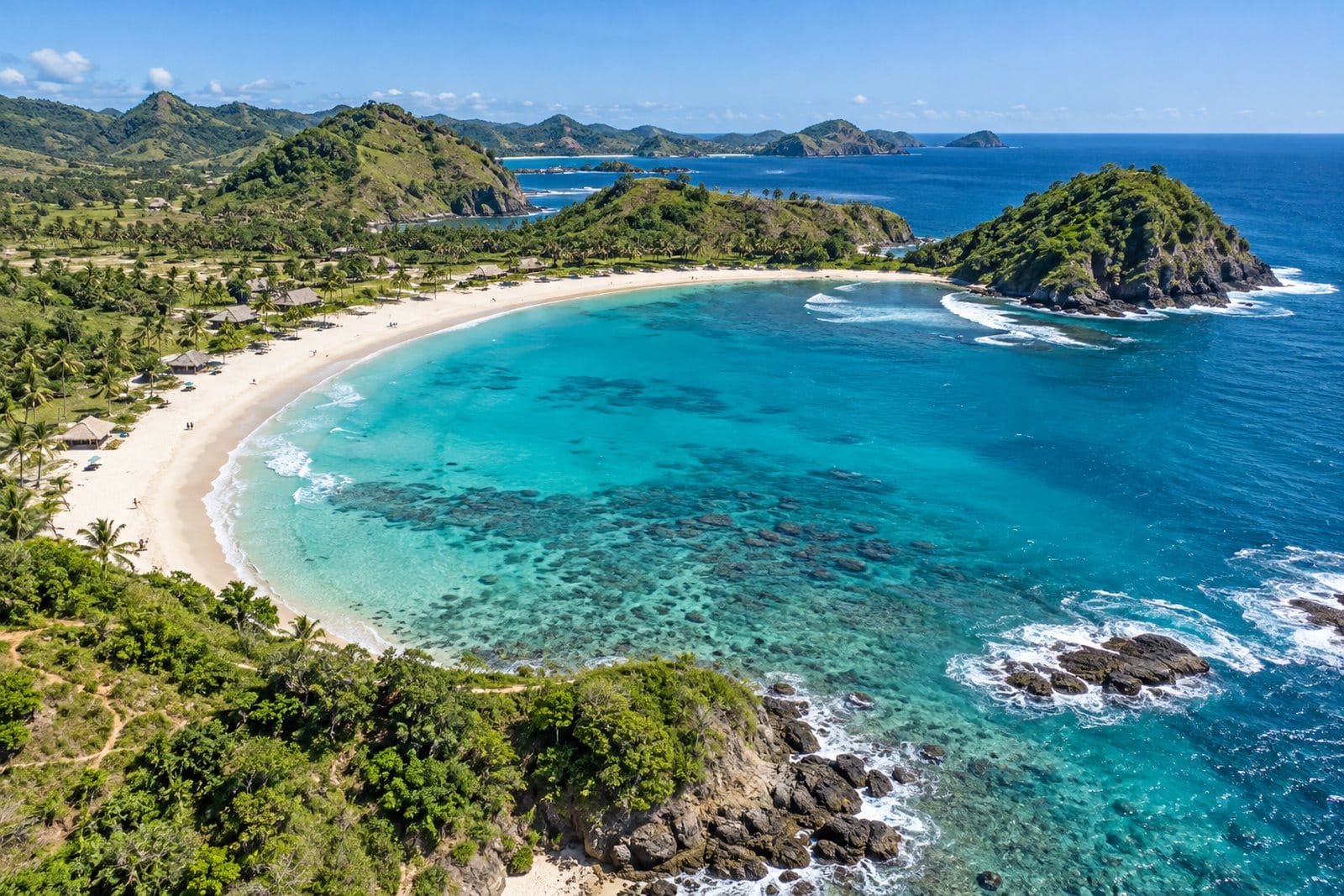 Daily Dispatch · Illustration: HubLombok (AI-generated)
What the Report Can and Cannot Tell Investors
A missing visitor is a serious event for the person involved, her companions and the local community. It is also a reminder that tourism businesses involving water activities have responsibilities that extend beyond the accommodation itself. For an investor assessing a hospitality operation, guest safety belongs among the practical questions to ask about how the business is run.
That does not mean this report establishes that Gili Trawangan is unsafe, that demand will fall, or that the incident will affect the wider Lombok market. Antara has reported an individual disappearance and a search operation. It has not reported a cause, a finding of fault or a broader assessment of safety. Any forecast about visitor behaviour or investment returns on this evidence alone would go beyond what is known.
The useful investor response is procedural. When reviewing an accommodation or tour business that arranges snorkelling or other sea activities, ask who briefs guests, how companions are accounted for, how staff respond when someone is overdue, and how an alert reaches local authorities. Ask what role the accommodation plays when a third-party operator runs the activity. These are due-diligence questions, not claims that a particular operator has failed to meet a standard.
The distinction between a property's own responsibilities and those of an activity provider also deserves clarity before investment. A business may host a guest who books an excursion elsewhere, but the available report does not say whether the missing visitor's activity was arranged by the restaurant, an accommodation provider or another operator. Investors should avoid assuming a commercial connection that has not been reported.
For owners and prospective buyers, this is a prompt to examine written procedures and lines of responsibility, not to infer an immediate repricing of tourism assets. An incident may lead businesses to review their practices, but the source does not report any such review or announce a new rule. Until more information is available, operational questions are more grounded than market predictions.
What This Means for Investors
The immediate story remains the search, which authorities said would resume on Wednesday morning. The investor implication is measured: guest-safety arrangements and escalation procedures are part of operating diligence for businesses connected to sea activities. The report offers no evidence for changing assumptions about demand, occupancy or asset values across Lombok.
Investors can follow subsequent reporting for an update on the search and any confirmed account of what occurred. If authorities or the business involved later publish findings, those may clarify what procedures were in place and whether any changes are considered. Until then, separating confirmed information from inference is essential, both in communicating about the incident and in assessing its commercial relevance.
Stay informed: subscribe to the free Lombok Briefing, published twice a month (the 1st and 15th), for market intelligence like this.
What is the latest reported status of the search off Gili Trawangan?
Antara reported that the joint search ended Tuesday without locating the missing South Korean tourist. Authorities said the operation was temporarily suspended and would resume on Wednesday morning, 7 October. This reflects the source's report at publication, not a later outcome.
Does this incident show that tourism in Lombok is becoming less safe?
The report describes one disappearance and an active search. It provides no wider incident record, cause or safety assessment, so it cannot establish a trend for Gili Trawangan or Lombok tourism. Investors should wait for confirmed findings before drawing broader conclusions.
What should investors ask tourism businesses about water activities?
Investors can ask who briefs guests, how companions are accounted for, what staff do when someone is overdue, and how alerts reach local authorities. These are practical due-diligence questions; the report does not identify which business arranged this visitor's activity.

The Lombok Buyer's Field Guide
Legal structures ranked by risk, the honest ROI math line by line, all six zones ranked, and the 24-point due-diligence checklist. The whole book, free in your inbox.
See what's inside