Galungan in Bali: a live read on Lombok tourism spillover
Bali’s Galungan day is another reminder that regional tourism demand remains strong, and Lombok investors should watch the spillover into earlier-cycle South Lombok.
Quick answer: Bali’s Galungan Day, observed on Wednesday 17 June 2026 and said to happen every 210 days, is a timely reminder that regional tourism demand can shift fast across the Bali-Lombok corridor. For Lombok investors, the immediate implication is not a direct property repricing event, but a fresh signal that Bali’s cultural calendar, congestion and recovery dynamics continue to support the Bali-overflow thesis.
Bali remains the first point of call for most international visitors, yet every moment of heightened visibility there can sharpen the case for Lombok as the cheaper, earlier-cycle alternative. That matters because South Lombok is already showing stronger momentum than mature island markets, while still trading at entry levels that remain materially below Bali.
The Context
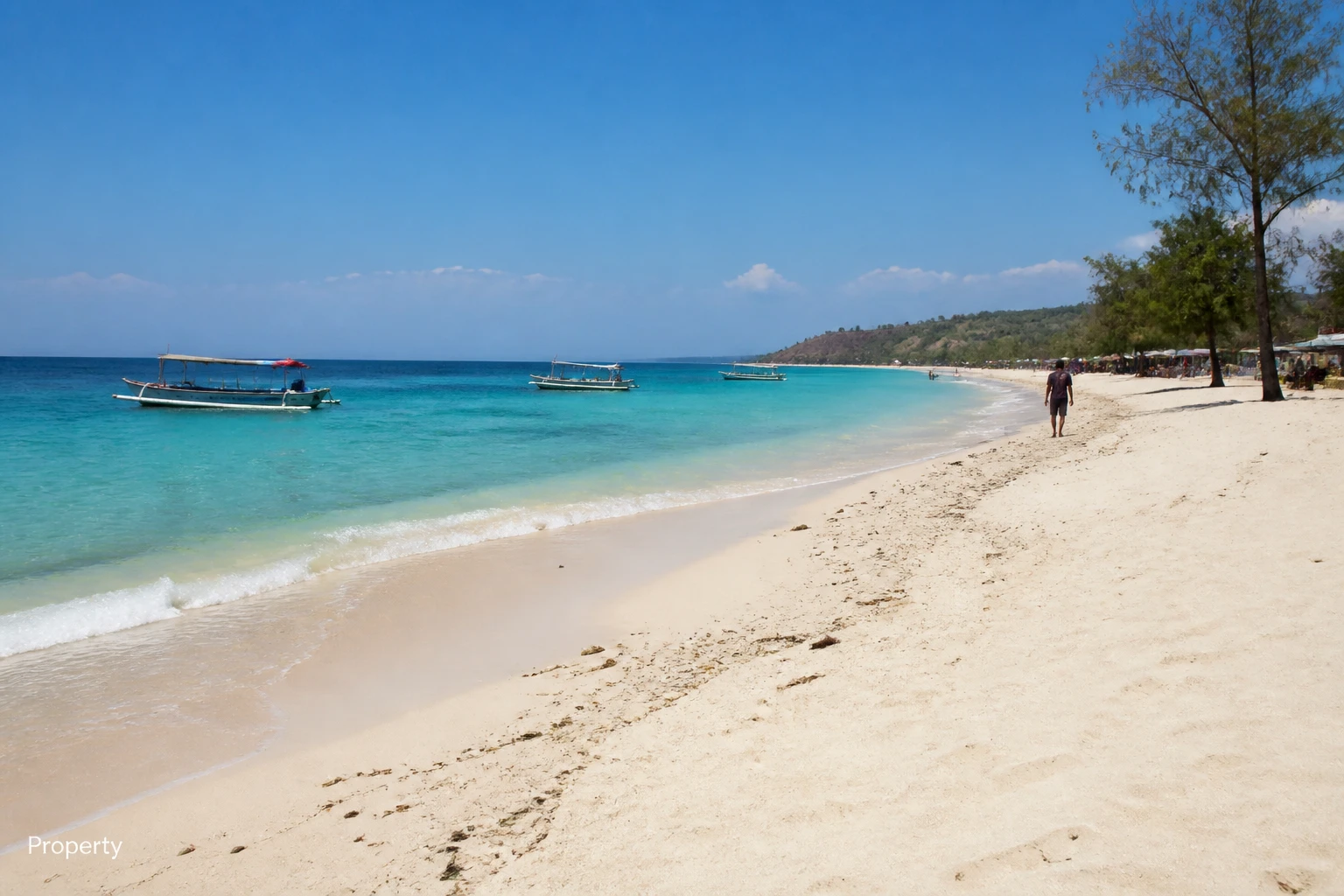
 Galungan in Bali · Illustration: HubLombok (AI-generated)
Today’s news is simple on the surface: Bali is marking Galungan, one of the island’s major Hindu celebrations, and 2026 is notable because Galungan and Kuningan are each observed only once. The date itself matters less as a stand-alone event than as a reminder of how culturally dense, seasonally active and globally visible Bali remains.
For investors tracking Lombok, the significance lies in what Bali’s calendar does to the wider regional tourism machine. Festivals, holidays and high-season moments tend to reinforce the structural premium around Bali, but they also highlight the cost of that premium. When demand concentrates in one destination, the adjacent market with better value can become more compelling.
That is the core of the Bali-overflow thesis: rising Bali prices and congestion push demand towards Lombok, where entry remains lower and the development cycle is earlier. In South Lombok, that has already translated into meaningful market momentum.
Regional tourism shocks rarely stay local. In this corridor, a strong Bali event often strengthens the investment case for Lombok rather than weakening it.
Why It Matters Now
The immediate issue for investors is not whether Galungan itself changes Lombok’s numbers overnight. It is whether the broader tourism backdrop continues to support the region’s rental and capital growth story. On the available figures, the answer remains yes.
South Lombok is operating in a market where foreign arrivals are running +40-50% YoY, Kuta/Mandalika villa rates are about +38% YoY, and Are Guling is showing roughly +47% momentum, the strongest of the six zones. That is a materially different profile from Bali’s mature, crowded and higher-cost market.
A few contrasts explain why.
| Metric | South Lombok | Bali comparison | |---|---:|---:| | Turnkey villa entry | EUR 95,000-350,000 | USD 400,000-800,000 | | Prime tourist-zone land | Rp 150–400 million per are | USD 200–500/m² | | Realistic occupancy, years 1-3 | 55-70% | 70-85% | | Honest net rental yield | 7-12% | not stated in source |
That table captures the trade-off. Bali still offers depth, liquidity and a more established rental base. Lombok offers lower acquisition cost, earlier-cycle upside and, in select zones, a route to attractive net returns without paying Bali’s full maturity premium.
The same caution applies to yield marketing. Developer-quoted gross yields of 12-22% are not the same thing as net income, because investors must still account for management fees of 18-22% of gross rental revenue and OTA or booking commissions of 15-20%. In other words, the headline is not the outcome. Net yield is the number that matters.
The Tourism Signal Behind the Headlines
Galungan is a cultural event, but it also functions as a reminder that tourism in this part of Indonesia is driven by more than beaches alone. Visitors respond to calendar moments, religious festivals, international events and destination narratives. Bali has all of those in abundance, which is precisely why Lombok can benefit.
The island’s tourism case is being reinforced by several overlapping drivers already visible in the data:
- Foreign arrivals are up 40-50% YoY, indicating that recovery is still flowing through the market.
- Kuta/Mandalika villa rates are up about 38% YoY, a sign that demand is being monetised rather than merely observed.
- Are Guling is up about 47%, suggesting that the frontier zones are outpacing the more mature submarkets.
- Realistic stabilised occupancy in years 1-3 is 55-70%, which remains attractive for a market still earlier in its development curve.
The investor lesson is that Lombok does not need to copy Bali to benefit from Bali. It only needs to capture the spillover created by Bali’s price base, crowding and continued global recognition. That is why the market can still show strong momentum even when the trigger is technically a Bali story.
The Investment Lens
For South Lombok property, the right question today is not whether Galungan changes everything. It is whether this kind of regional headline reinforces the broader demand environment that supports occupancy, rate growth and land appreciation. On the current evidence, it does.
The structural case is straightforward:
- Entry remains accessible: turnkey investment-grade villas in South Lombok begin at EUR 95,000-350,000, well below comparable Bali stock.
- Land is still cheaper: prime tourist-zone land sits at Rp 150–400 million per are, versus USD 200–500/m² in Bali.
- Net returns can be robust: honest net rental yield is 7-12%, with top-performing assets reaching ~15% net.
- Demand is still expanding: tourism growth and villa-rate growth suggest the market is not yet fully priced for maturity.
That said, investors should keep discipline. Gross yield advertising can overstate the economics if management fees, booking commissions and realistic occupancy are ignored. A project that sounds exceptional on paper may only be ordinary after costs.
Foreign buyers also need to remain legally strict. Foreigners cannot hold freehold (Hak Milik / SHM). The legitimate routes are leasehold (Hak Sewa), Hak Pakai for personal use with residency, or PT PMA structures holding HGB. Nominee arrangements are illegal and void in court. That is not a small technicality; it is a title risk.
For serious capital allocators, today’s Bali holiday headline is therefore best read as an indirect bullish signal for Lombok. It reinforces the island’s regional relevance, while reminding investors that the value proposition lies in lower entry points, earlier-cycle momentum and a tourism market that is still moving in the right direction.
In practical terms, this is not a moment to chase headlines. It is a moment to confirm that the corridor still supports the thesis: Bali stays expensive, Lombok stays relatively underpriced, and South Lombok continues to offer the cleaner value trade for investors willing to tolerate development-stage risk.
Stay informed, subscribe to the free Lombok Briefing for market intelligence like this, published twice a month.
Does Galungan in Bali directly move Lombok property prices?
Not by itself. The more important effect is indirect: Bali’s cultural calendar keeps the region highly visible and can reinforce the spillover case for Lombok, where entry prices are lower and the market is earlier cycle.
Why should Lombok investors care about a Bali holiday?
Because Bali is the region’s demand anchor. When Bali remains busy and expensive, neighbouring Lombok can benefit from the overflow thesis, especially in South Lombok where tourist growth, villa rates and zone momentum are already strong.
What should investors check before trusting a yield claim?
Use net yield, not gross yield. Developer-quoted gross yields of 12-22% exclude costs, while management fees of 18-22% and OTA commissions of 15-20% can materially reduce the real return.

The Lombok Buyer's Field Guide
Legal structures ranked by risk, the honest ROI math line by line, all six zones ranked, and the 24-point due-diligence checklist. The whole book, free in your inbox.
See what's inside