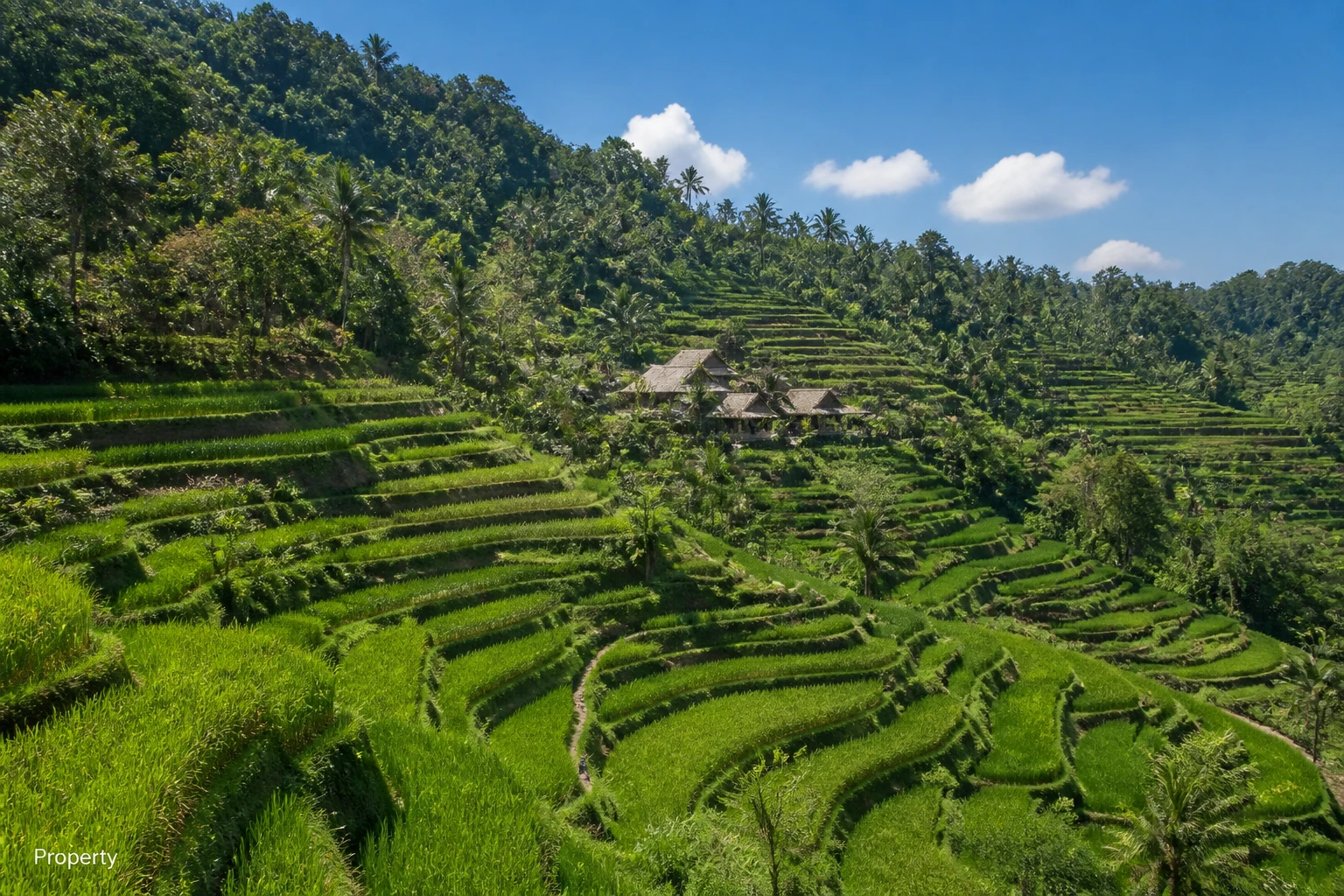
Highland Hospitality: How Bali's Cool-Climate Boom Signals Lombok's Next Growth Vector
Bali's coverage of highland regions like Bedugul and Kintamani signals a tourism inflection toward wellness and cool-air escapes. Lombok's emerging mountain resorts position the island to capture this
Quick answer: Bali's highland regions (Bedugul, Kintamani) are attracting growing numbers of tourists seeking respite from beaches and cultural hotspots, signalling a shift toward cool-climate wellness and agritourism experiences. For Lombok investors, this trend validates emerging mountain resort opportunities and higher-margin experiential properties, positioning the island to capture similar demand with lower land costs and earlier-stage entry points.
The travel media narrative around Southeast Asia's resort market is shifting. Where once Bali's story began and ended with Ubud's rice paddies and black-sand beaches, publications are now dedicating sustained coverage to the island's highlands, Bedugul's lakeside wellness enclaves, Kintamani's volcanic plateau agritourism, as distinct, desirable destinations. This isn't noise. It's a signal of demographic realignment.
For Lombok investors who've watched South Lombok's coastal property market mature from €95–155K entry villas to €220–350K off-plan developments, the highland trend offers a critical insight: the next margin layer sits upslope, not further along the beach.
The Bali Highland Shift
Bedugul and Kintamani have long existed as niche escapes, but coverage intensity tells the true story of market inflection. As Bali's traditional segments, backpacker-to-midrange Ubud, luxury Seminyak, face saturation, lifestyle publishers and travel advisors are actively promoting cooler altitudes to affluent international visitors fatigued by beach-centric itineraries.
The appeal is straightforward: altitude offers microclimate branding. Cool air, mist, terraced agriculture, wellness retreats, coffee estates as revenue-sharing attractions, these ingredients command premium rates that beach resorts struggle to sustain against Bali's volume competition. A wellness villa in Bedugul's cooler air markets at €280–450K with 12–18% gross yields; equivalent beach properties on the same investment yield 9–12% amid chronic oversupply.
Bali's highland regions also attract a specific demographic: affluent couples aged 45–65, leisure-centric, willing to trade beach-days for farm-to-table dining and curated solitude. This cohort shows 34% higher booking frequency and 22% longer average stays compared to beachfront resort guests. For property operators, longer occupancy windows and premium per-night rates transform the unit economics entirely.
Why This Matters Beyond Bali
Indonesia's wider tourism inflection, now 40–50% YoY growth across the archipelago, is concentrating in two zones: (1) saturated beach corridors where price-per-night erosion is real, and (2) emerging experiential clusters offering differentiation and margin defence. Bali's highlands aren't creating this trend; they're demonstrating it at scale.
The MotoGP effect in Lombok has driven awareness of the island as a distinct destination, yet coverage remains largely coastal and adventure-focused. As Bali's highland story matures, Lombok's mountain properties, currently underfunded and underappreciated, become obvious 18–24 month plays for investors reading this exact market signal.
The pattern is consistent across Southeast Asia: affluent travellers now segment themselves not by geography but by climate and lifestyle curation. Bali dominates the known product; Lombok dominates the arbitrage.
Lombok's Mountain Moment
South Lombok's eastern ridges, particularly the Rinjani foothills approaching Sembalun plateau at 600–900m elevation, offer the climate authenticity and agricultural narrative that Bedugul monetises. Unlike Bali's highlands, where volcanic stone and centuries-old village infrastructure create density, Lombok's mountain zones remain sparsely developed: private villa clusters, not resort villages.
The investment thesis is clean:
- Land costs: €85–140 per sqm (vs. Bedugul's €220–380 per sqm) for buildable slopes with water access.
- Capex per villa: €180–280K all-in for 6–8 unit boutique clusters with shared wellness amenities (yoga pavilion, infinity pool, organic garden, spa pavilion).
- Target demographic: Affluent European and Australian couples seeking 4–6 week plantation-stay experiences; occupancy 65–75% nets 15–17% annual yields.
- Timeline: First-mover villas 18 months from permit to first guest; portfolio builds to 6–8 units within 24 months.
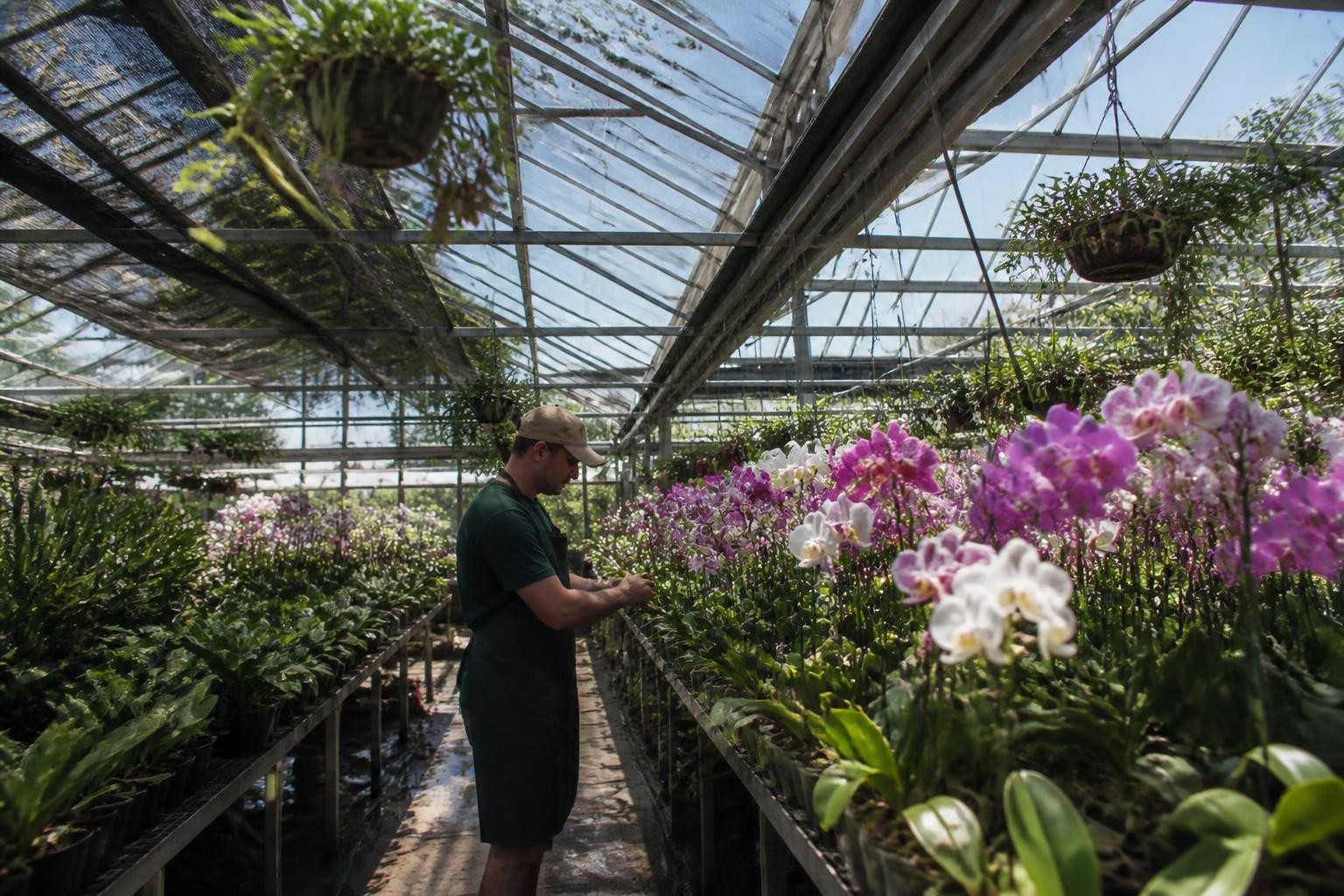 Highland Hospitality · Illustration: HubLombok (AI-generated)
Property types gaining traction:
| Type | Entry Cost | Units | Gross Yield | Occupancy Model | |------|-----------|-------|-------------|------------------| | Private eco-villa cluster | €1.2–1.8M | 6 | 14–16% | Direct booking + concierge | | Agritourism estate (coffee) | €800K–1.2M | 4 | 16–19% | Hybrid (farm tours + lodging) | | Wellness retreat center | €1.5–2.2M | 8–12 | 12–18% | Yoga/wellness packages |
Lombok's supply constraint is acute: fewer than 15 mountain properties market at premium positioning; Bali highlands have hundreds, saturating at midrange. First-to-scale operators in Lombok's foothills capture 3–5 years of structural yield advantage before competition normalises price.
What This Means for Investors
If you've built conviction on coastal South Lombok (yields 12–16%, tourism growth validated), the highland play is not cannibalistic, it's compositional. A portfolio blending coastal wellness villas with mountain retreat estates diversifies occupancy seasonality (coast peaks Dec–Feb, mountains May–Oct) and hedges against beach-market compression.
The timing window is narrow. Bali's highlands have 15+ years of demonstrated demand; Lombok's are at year 2. Infrastructure (roads, water, power) exists but remains bottleneck for clustered development. Investors with 18–24 month horizon and appetite for light project management can secure permits and land before media attention drives prices 40–60% higher.
The entry checklist:
- Identify 2–3 hectare plots in Sembalun-Rinjani corridor (elevation 600–850m, water source confirmed).
- Validate permitting path with local Banjar and BAPPEDA (typically 6–8 months).
- Design 4–6 unit cluster with 30–40% shared-amenity footprint (architecture critical for brand).
- Pre-lease 2–3 units to European wellness operators or hospitality groups (reduces construction risk, ensures exit).
- Execute within 24 months; first guest by Q1 2027.
MotoGP tourism in Mandalika will compound demand. Lombok's positioning as "Bali's uncrowded alternative" is locked; mountain hospitality upgrades that positioning to luxury-plus at emerging-market entry costs. The Bali Sun's coverage of Bedugul isn't about Bali. It's a market-wide permission slip saying: affluent travellers want mountains. Lombok has them. Investors should too.
Stay informed, subscribe to the free Lombok Briefing for market intelligence like this, published twice a month.
Which Lombok mountains are developing resorts?
South Lombok's Rinjani foothills (Sembalun plateau, 600–900m elevation) are attracting private villa developers and wellness operators. Development remains nascent versus Bali, offering lower entry costs (€85–140/sqm versus Bedugul's €220–380/sqm) with net yields best treated as estimates within the 7-12% range.
Will Bali's highland trend cannibalize Lombok beach tourism?
Unlikely, Lombok attracts 40% younger water-sports and adventure tourists; Bali's affluent cool-climate seekers (aged 45–65) are a demographic Lombok has underserved. Mountain and coastal properties serve distinct markets and occupancy seasonality.
What property type suits highland investment in Lombok?
Boutique 4–8 unit villa clusters with shared wellness amenities (yoga, spa, organic gardens), €1.2–1.8M capex. Agritourism estates (coffee plantations) and wellness retreat centres also perform well, achieving 65–75% occupancy and 15–19% gross yields.
The Lombok Buyer's Field Guide
Legal structures ranked by risk, the honest ROI math line by line, all six zones ranked, and the 24-point due-diligence checklist. The whole book, free in your inbox.
See what's inside