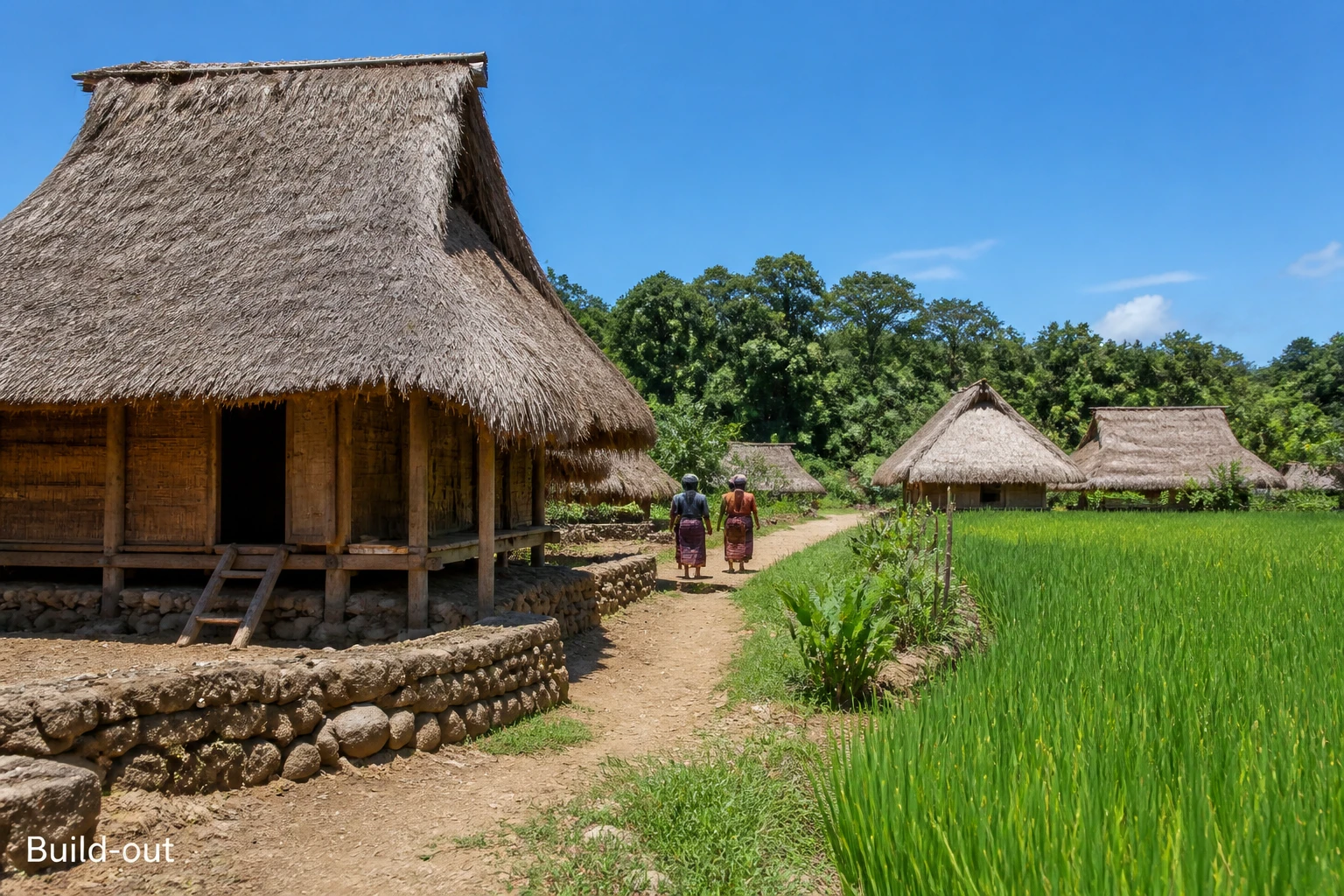
How Bali's ARMA Museum Reveals Lombok's Untapped Cultural Tourism Upside
Bali's Agung Rai Museum celebrates 30 years of cultural tourism success. For Lombok investors, the lesson is critical: diversified tourism infrastructure drives yield resilience, and Lombok's cultural
Quick answer: Bali's ARMA celebrates 30 years of profitable cultural tourism. For Lombok investors: beach-only tourism portfolios lack resilience. Integrated cultural experiences, museums, workshops, hospitality, generate durable year-round yield. Lombok's cultural tourism infrastructure is nascent, offering greenfield opportunity at far lower cost than Bali's saturated market.
Bali's most iconic cultural institution just marked three decades of success. The Agung Rai Museum of Art (ARMA) in Ubud, part museum, part luxury hotel, has anchored cultural tourism since its founding. But beneath the celebration lies a candid truth: Bali's tourism market is increasingly crowded and margin-compressed. For Lombok investors, ARMA's longevity offers an urgent lesson, diversify into cultural tourism before the island's beaches become commoditised, as Bali's have.
The Context
ARMA's 30-year trajectory illuminates how cultural infrastructure becomes a durable yield engine. The institution combines a world-class art museum, curated hotel rooms, fine dining, and educational workshops, creating a self-contained ecosystem that attracts affluent international visitors year-round, not just during peak beach season. Ubud, once a backpacker outpost, has evolved into a wellness and cultural destination commanding premium nightly rates (currently $180–280 for a curated villa experience).
The museum's longevity matters because it demonstrates a fundamental principle: cultural tourism is not niche, it is a yield stabiliser. Bali's mass-market beach resorts experience acute seasonality. MotoGP events and conferences drive occupancy spikes, but July–September sees cliff-like declines. Properties anchored to diversified tourism revenue, art, wellness, education, dining, smooth these swings considerably, maintaining occupancy in shoulder seasons.
Lombok's Cultural Tourism Gap
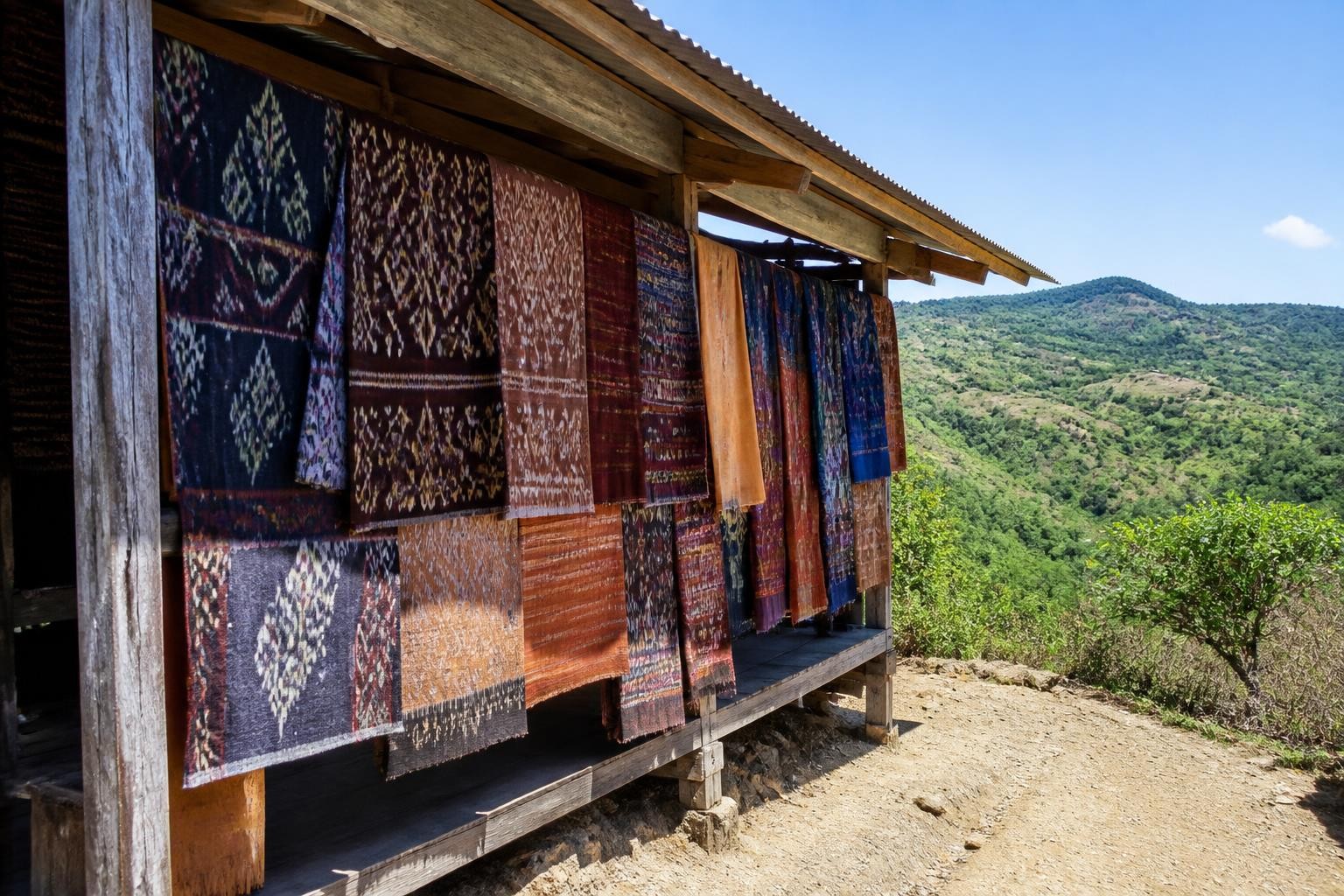 How Bali's ARMA Museum Reveals Lombok's Untapped Cultural Tourism Upside · Illustration: HubLombok (AI-generated)
Lombok's tourism narrative has been relentlessly narrow: beaches, water sports, and island-hopping. The island welcomed nearly 800,000 international visitors in 2025, up 47% year-on-year, fuelled by the Lombok MotoGP circuit and airport expansion to 13 million annual capacity. Yet unlike Ubud, Lombok has no equivalent to ARMA. No integrated cultural-hospitality anchor. No rice-terrace wellness retreats marketed to design-conscious travellers. No curated craft workshops verifiable to visiting artisans.
This is not a weakness, it is a structural opportunity. Bali's cultural infrastructure is mature, crowded, and increasingly expensive to enter. A villa in Ubud commanding 18% yields a decade ago now yields 12–14%, squeezed by oversupply and regulatory tightening. Lombok's cultural tourism remains emergent: rice terraces in North Lombok, traditional weaving workshops, wellness retreats, and agritourism estates exist but remain unfocused. No single premium brand has aggregated these assets into a coherent leisure offering that attracts the affluent, stay-longer segment.
The Investor Thesis
For villa and boutique-hotel investors, this gap is the precise moment to act. A 3–4-bedroom villa priced at €180–280K and positioned as a cultural retreat, offering hands-on cooking classes, artist-led craft workshops, rice-terrace hikes, and verifiable craftsperson introductions, can command premium rates and attract guests willing to stay 7–10 days rather than 3–4. Occupancy stabilises because the audience is year-round; wellness tourism and cultural experiences are not constrained to summer months.
| Metric | Bali (Ubud) | Lombok (Nascent) | |--------|-------------|------------------| | Avg. nightly rate (villa) | $180–280 | $120–180 | | Annual occupancy | 65–72% | 55–68% (uptrend) | | Premium cultural anchors | 3–5 established | 0 (greenfield) | | Regulatory entry cost | High (PT PMA, restricted) | Low (underdeveloped) | | Tourist growth YoY | 4–6% | +47% (MotoGP catalyst) |
The MotoGP effect is transformative. Lombok's visitor base is younger, more adventure-oriented, and less aligned with Bali's traditional luxury segmentation. But the airport expansion and infrastructure investment mean cultural tourism follows within 3–5 years, the normal lag between mass-market discovery and boutique-experience development.
Early movers, those positioning villas as cultural-leisure anchors rather than generic beach properties, will capture premium yield before brand proliferation and competitive pressure compress margins. This window is measurable in months, not years.
What This Means for Investors
ARMA's three-decade run teaches a hard lesson from Bali's maturation: tourism yield is highest where infrastructure is integrated, authentic, and visitor-ready. Properties anchored to beaches alone do not sustain premium nightly rates or year-round occupancy in saturated markets.
Lombok is replicating Bali's trajectory, but compressed by infrastructure investment and geopolitical tailwinds (airport capacity, direct European flights planned for Q4 2026). MotoGP and airport expansion are accelerating visitor arrivals; yields of 12–22% are achievable today in well-positioned villas. The window to anchor cultural experiences, before the market matures, is now.
For European and Australian investors aged 40–65 seeking diversified tourism exposure, the thesis is straightforward: position villa investments as cultural-leisure experiences, not generic beach properties. Pair your property with authentic local partnerships (artist studios, craft workshops, rice-terrace guides, wellness practitioners). The upside is 4–6 percentage points of annual yield compared to undifferentiated beach villas, and far greater resilience through seasonal volatility.
The Bali benchmark has spoken. Lombok's investors who listen will capture a decade of margin that Bali's market has already lost.
Stay informed, subscribe to the free Lombok Briefing for market intelligence like this, published twice a month.
How fast is Lombok's tourism market growing, and what is driving it?
Lombok welcomed nearly 800,000 international visitors in 2025, a 47% year-on-year increase. The primary catalysts are the Lombok MotoGP circuit and airport expansion to 13 million annual capacity. This growth rate significantly outpaces Bali's 4 to 6% year-on-year, making Lombok one of Southeast Asia's fastest-growing tourism destinations for foreign investors to watch.
How do villa yields in Lombok compare to Bali for cultural tourism properties?
Bali's Ubud villas, which yielded around 18% a decade ago, now return 12 to 14% due to oversupply and regulatory pressure. In Lombok, yields of 12 to 22% are achievable today in well-positioned properties. Villas anchored to cultural experiences rather than beaches can gain 4 to 6 additional percentage points of annual yield compared to undifferentiated beach properties.
What entry price and occupancy can a foreign investor expect from a Lombok cultural villa?
A 3 to 4 bedroom villa positioned as a cultural retreat in Lombok is currently priced at €180,000 to €280,000. Nightly rates run $120 to $180, with annual occupancy of 55 to 68% on an upward trend. Culturally anchored properties attract guests who stay 7 to 10 days rather than 3 to 4, improving occupancy across shoulder seasons.

The Lombok Buyer's Field Guide
Legal structures ranked by risk, the honest ROI math line by line, all six zones ranked, and the 24-point due-diligence checklist. The whole book, free in your inbox.
See what's inside